How to Verify a Watch Supplier Before Your First Bulk Order
27.09.2026
Choosing a watch supplier is the highest-stakes decision in the wholesale watch business. A good factory becomes a long-term advantage; a bad one costs you money, time, and customer trust. Before wiring any payment for a bulk order, run through this verification checklist.
1. Confirm You Are Talking to a Manufacturer
Many "suppliers" are trading companies with no production capability. That is not always disqualifying, but you should know who you are dealing with:
- Ask for the factory address and check it on maps and business registries
- Request a live video tour of the assembly workshop - a real factory will agree quickly
- Look for evidence of in-house capabilities: assembly lines, quality inspection stations, packaging
- Check how long the company has been exporting to your region
2. Evaluate Movement and Material Quality
The movement is the heart of a quartz watch. Ask which movements are used - established factories work with recognized Japanese or Swiss movement suppliers and can state the source plainly. For materials, ask specifically:
- Case material: alloy, stainless steel (316L is the standard for quality watches)
- Glass type: mineral glass versus sapphire on higher-end models
- Water resistance: what rating, and is it tested per unit or per batch
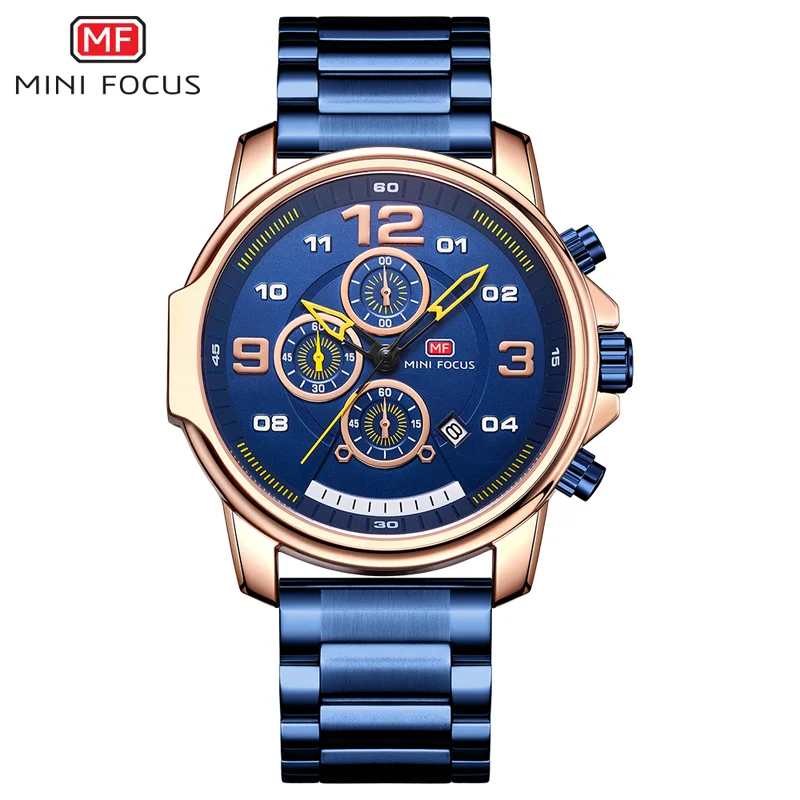
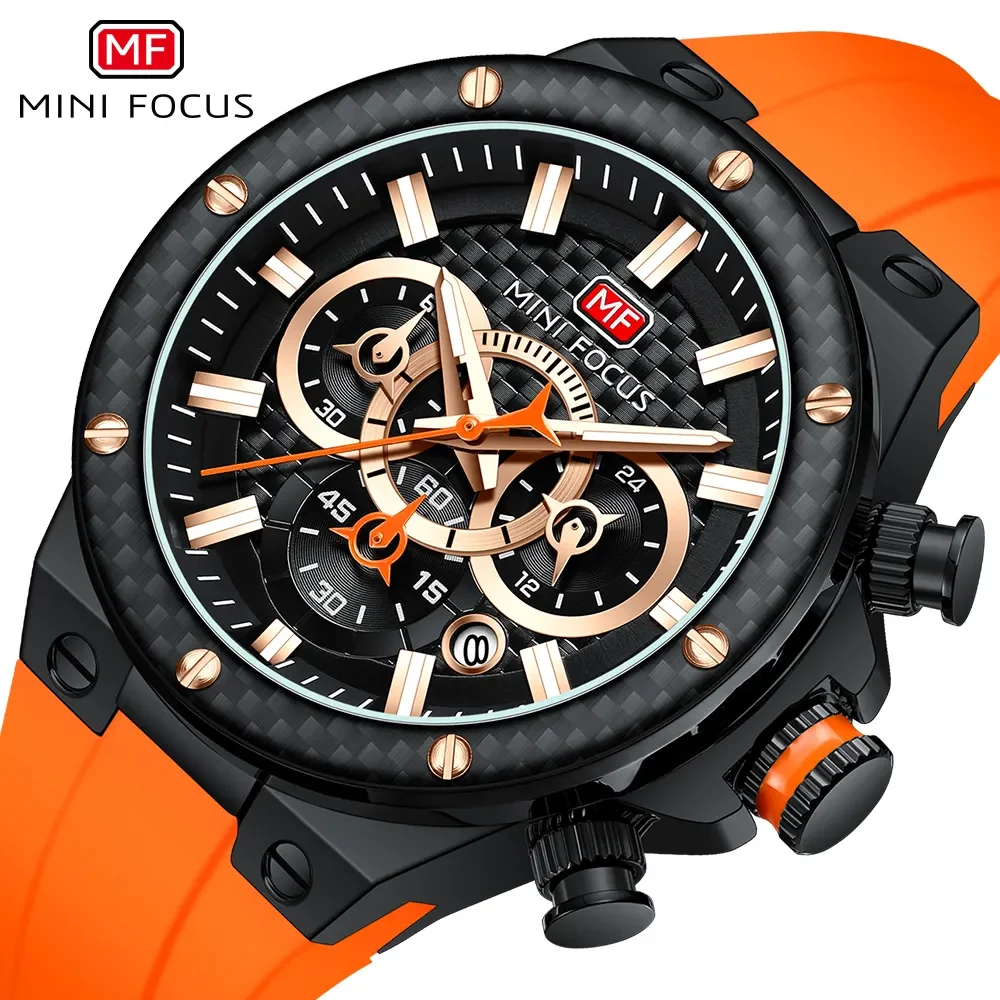
Reliable suppliers publish these specifications per model. Vague answers are a warning sign. You can compare how a transparent factory presents specifications in any product page, for example this carbon fiber sports chronograph.
3. Order Samples and Test Them Properly
Never skip samples, and never test samples casually:
- Timekeeping: track deviation over 7+ days; a good quartz movement stays within a few seconds per month
- Functions: test calendar, chronograph, and luminous features exactly as described
- Strap and clasp: operate the clasp 50+ times; check strap attachment security
- Water resistance: if rated 3ATM, verify what that means for your customers' real usage
- Finish: inspect plating, printing, and alignment under magnification
4. Ask for Quality Documentation
Established factories maintain inspection records and can provide material declarations. Ask what QC steps happen before shipment - per-unit function testing and appearance inspection should be standard. Some models also carry independent test reports; for example, Mini Focus publishes quality certification documentation with certain watch models, which you can request when inquiring.
5. Clarify After-Sales and Warranty Terms
Before ordering, get written answers on:
- Defect rate policy: what percentage is considered normal, and how defects are compensated
- Warranty period: the factory's warranty coverage on movements and materials
- Spare parts: whether straps, batteries, and hands are available for after-sales service
A factory confident in its quality will answer these questions directly. After-sales support structure matters for wholesale partners - see how it is described on the services page.
6. Start Small, Then Scale
The final verification is commercial: place a modest first order, evaluate everything from communication to packaging to delivery accuracy, and only then increase volume. Factory-direct suppliers that support low MOQ trial orders make this approach practical.
Frequently Asked Questions
What is a normal defect rate for quartz watches?
Well-run factories target defect rates below one percent on function-tested stock. Discuss the exact policy before ordering rather than after a problem appears.
Are trading companies acceptable suppliers?
Some are fine for mixed-container sourcing, but for a focused watch business, factory-direct relationships usually mean better pricing, faster communication, and real quality control.
Should I visit the factory in person?
If order volume justifies it, yes. If not, a scheduled video tour plus third-party inspection before shipment covers the essentials.
Ready to verify us? Mini Focus welcomes sample requests and factory video tours - contact us to arrange both.