Selling Watches in Different Markets: A Selection Guide
01.10.2026
One catalog rarely fits every market. The same watch that sells out in one region sits on the shelf in another - not because the product is bad, but because taste, climate, wrist size and buying habits differ. For wholesale buyers, understanding these differences is the difference between a range that sells through and one that stalls. This guide sets out the main factors that shape regional demand and how they play out across the major markets.
Why One Catalog Does Not Fit All Markets
Regional demand is not random. It is driven by a handful of forces that repeat across markets:
- Wrist size and preferred case diameter - average wrist size and local taste push demand toward smaller or larger cases (case size guide)
- Climate - hot and humid markets favour water resistance, silicone and steel over leather
- Cultural and style preferences - what reads as "quality" or "attractive" varies
- Price sensitivity - how much of the market buys on price versus brand or design
- Gift culture - some markets buy watches overwhelmingly as gifts, which shifts the assortment toward presentation
- Sales channel - physical wholesale chains, markets, boutiques and e-commerce each reward different products
Read those six forces for your target market and the right assortment largely reveals itself.
Middle East
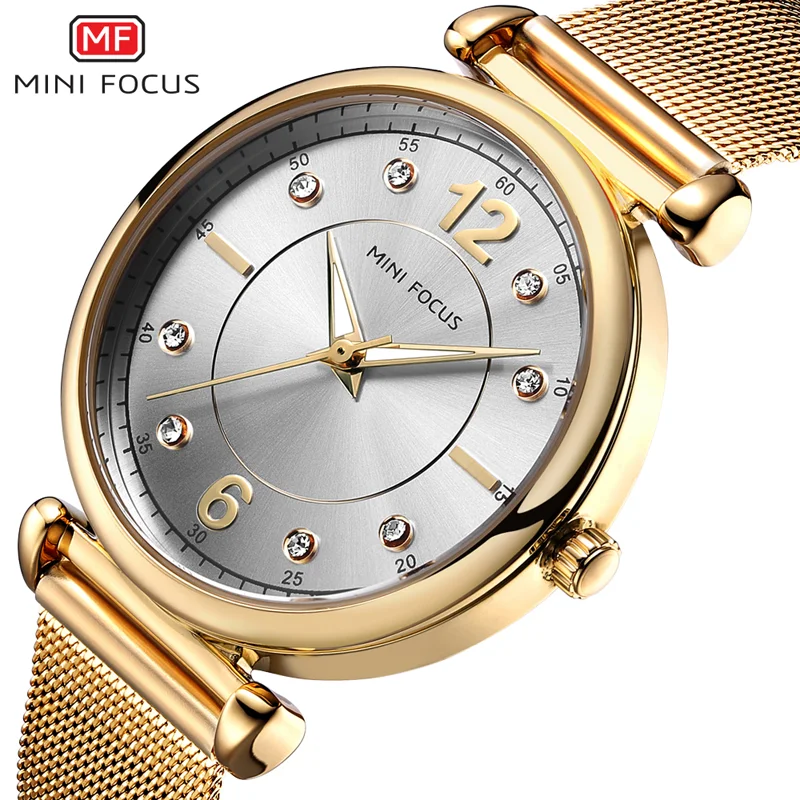
Broadly, Middle Eastern markets show strong appreciation for bold, luxurious-looking watches: larger cases, gold and gold-tone finishes, sparkling dials and premium presentation. Gifting and festive occasions are significant drivers, which favours models with visual impact and gift-ready packaging. Styles with presence - a large steel chronograph such as the MF0634G, or a gold mesh and diamond-detail women's model like the MF0177L - align well with this demand. Treat these as directional observations and confirm with your own buyers, since preferences vary between countries and customer segments.
Southeast Asia
Hot, humid climates and price-conscious, mobile-first shoppers shape this region. Water resistance and comfortable, sweat-resistant straps matter more than in temperate markets, which favours steel bracelets and silicone bands over leather. E-commerce is central, so photograph-friendly designs with broad fit perform well. Sporty and versatile everyday models tend to travel furthest here, and honest water-resistance description matters more than anywhere (3ATM explained).
Africa
Durability and value dominate. Buyers often look for robust watches that stand up to daily use, with long battery life and dependable quartz movements, frequently purchased through wholesale and market channels. Larger, substantial-looking cases and classic sport designs tend to work well, and packaging that protects the product through rougher distribution is important. Honest, rugged value - like the MF0035G business watch or a steel sport model - resonates more than fashion novelty.
Latin America
Colour, fashion awareness and sport styles are recurring themes. Watches that read as modern and expressive - colour dials, sport chronographs, statement designs - find willing buyers, alongside classic styles for older customers. As everywhere, the reliable volume sits in versatile everyday watches, with fashion-forward models providing the differentiation.
Europe
European demand frequently leans toward understated, well-made designs: clean dials, moderate case sizes, quality materials and finish. Buyers in this region also ask more compliance questions, so documentation matters (compliance guide). A slim mesh dress watch such as the MF0044L, or a restrained classic like the MF0035G, suits this preference for quiet quality.
North America
Large, sporty and brand-story-driven. Case sizes run large, chronographs and sport models are popular, and online retail is dominant, so photography and clear specification are decisive. Branding and presentation carry weight, and models with a clear identity - the MF0468G carbon fiber sport watch for example - suit the market's appetite for product storytelling.
How to Test a Market Without Over-Committing
You do not have to bet the business on a market read. Test cheaply and scale what works:
- Sample the extremes - order small quantities of one conservative and one bold style, and see which moves
- Watch the reorder rate - a style that a retailer reorders is a style that sells; a style that never reorders does not
- Ask your buyers - the retailers in your market know their customers better than any general guide
- Scale proven styles - shift quantity toward what actually sells, using the logic in our first-order guide
Start from a balanced core and let real sales data - not assumptions - shape the range. That is how a regional assortment gets built, one order at a time.
Frequently Asked Questions
Which region buys the most watches?
Demand is broad and varies by segment rather than by region alone - price-sensitive volume markets and premium gift markets exist in every region. Match your product to the segment, not just the geography.
Should I use a different catalog per market?
A shared core with regional variations is the efficient approach: one reliable core range that sells everywhere, plus a few market-specific styles that match local taste.
How do I know what a specific market wants?
Start from a balanced range and test - buyer reorder behaviour is the most reliable signal. Contact Mini Focus with your target markets to discuss a selection aligned to them.
Planning for a specific market? Contact Mini Focus with your destination and customer profile for a tailored range recommendation, or browse the catalog first.