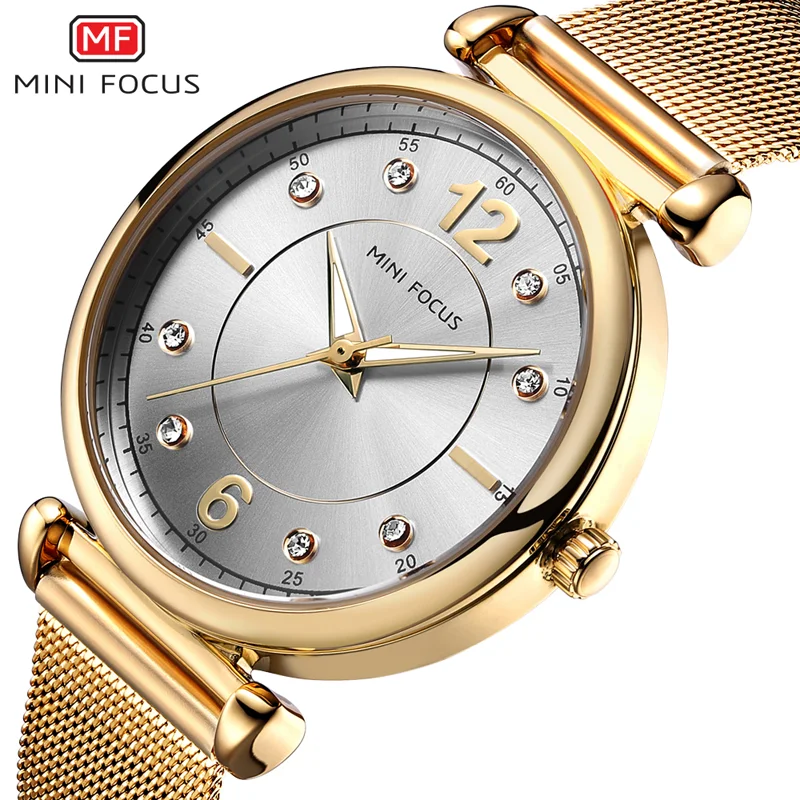
Watch Retail Display and Merchandising: A Shop Owner Guide
11.10.2026
Two shops can carry the same watches and sell them at completely different rates. The difference is rarely the stock - it is how the stock is shown. Watches are small, high-consideration purchases: customers handle them, try them on, and decide within minutes based on what they see and feel. Merchandising is what shapes those minutes. This guide covers the display and merchandising habits that measurably lift sell-through in a watch retail or kiosk setting.
Why Display Decides Sell-Through
A watch in a drawer is inventory; a watch properly displayed is a product with a chance. Customers who touch and try on watches convert far more often than customers who only look - and they only touch what the display invites them to touch. Every principle below serves one goal: move more watches from the tray onto the wrist.
Showcase Layout That Works
Think of your display in zones, each with a job:
| Zone | What goes there | Why |
|---|---|---|
| Eye level - prime | Best-sellers and models you want to push this month | The first place every customer looks; rotate what earns it |
| Entry point | Gift-friendly, broadly appealing styles | Catches browsers and gift buyers early |
| Left and right flanks | Men and women ranges, clearly separated | Customers self-sort; make it instant |
| Counter / close zone | Add-on items: extra straps, batteries, small gifts | Where the transaction happens; small adds feel natural |
| Bottom / storage | Reserve stock only | Dead display space is better than cluttered display space |
Lighting: The Cheapest Upgrade
Watches are jewellery-adjacent: metal, glass and polished surfaces live or die by light. Use bright, neutral-white lighting aimed at the display, not the room. A dial that sparkles under the case light sells the same watch that looked flat on the shelf at home. Check your display under the actual store lighting before you judge any model as "not selling" - some watches only come alive under good light.
Tell Customers It Is Safe to Touch
Watch displays often look untouchable, and untouchable means unsold. Set trays out where hands can reach, keep a testing cushion or pad beside the case, and train staff to offer the try-on early: "Would you like to see how it feels?" - then place the watch on the wrist yourself. The try-on moment is where a browser becomes a buyer; everything else is preparation for it.
Price Display That Helps, Not Hides
- Every watch has a visible price - a customer who has to ask may not; mystery prices filter out buyers
- Price tags positioned consistently - under or beside each watch, never floating unattached in the tray
- Round, clear figures - easy-to-process prices get processed
- Promotions physically separated - a small "offer" section sells better than discount stickers scattered across the main display, which cheapen everything they touch
Rotation and Freshness
A display that never changes trains customers to stop looking. Build simple rotation habits:
- Weekly - straighten, clean fingerprints off crystals and cases, re-stock sold positions
- Monthly - rotate models into the prime eye-level zone; retire slow styles to flank positions and feature something new
- Seasonally - rebuild around the season: gift styles and warm tones for Q4 (our gifting guide maps what sells), lighter straps and colours for summer
Merchandise With Stories, Not Just Stock
Small cards beside featured models do work that staff cannot always do: "Water resistant to 3ATM - fine for daily wear" (see our water resistance guide), "Chronograph with working stopwatch", "Genuine leather strap". One honest sentence per featured model answers the question the customer was about to ask, and questions answered are sales advanced. Pair feature cards with the tried-and-true anchor: a few proven men styles and women styles displayed prominently, because best-sellers sell best where they are easiest to see.
Train the Counter
Merchandising ends at the counter, where the sale is closed. Make sure staff can state, for every featured model: the size, the movement, the water-resistance rating and one reason to buy it. A confident sixty-second answer converts; a shrug does not. A one-page spec sheet taped inside the counter is the cheapest training system there is.
Frequently Asked Questions
How many watches should be on display?
Enough to show range, few enough to look curated - a full but breathable tray beats a jammed one. If everything is displayed, nothing is featured; feature a handful and keep the rest neatly in reserve.
Should glass cases stay locked?
Lock the high-value pieces, but keep your core price range reachable. Every barrier between the customer wrist and the watch costs sales; the security-versus-access balance should favour access for entry and mid-range stock.
What is the single highest-impact change?
Lighting, in most shops - it is fast, inexpensive and lifts every watch it touches. The second is the structured try-on habit at the counter. Contact Mini Focus for retail-ready ranges and display-friendly best-sellers.
Want watches that sell through faster? Contact Mini Focus for proven retail styles, or browse the catalog to refresh your display.