OEM vs ODM vs Private Label Watches: Which Fits Your Business?
27.09.2026
If you are sourcing watches from a factory, you will meet three terms again and again: OEM, ODM, and private label. They are often used loosely, but the differences directly affect your cost, lead time, and how much control you have over the final product. Here is a practical breakdown for wholesale buyers.
Private Label: Fastest Route to Your Own Brand
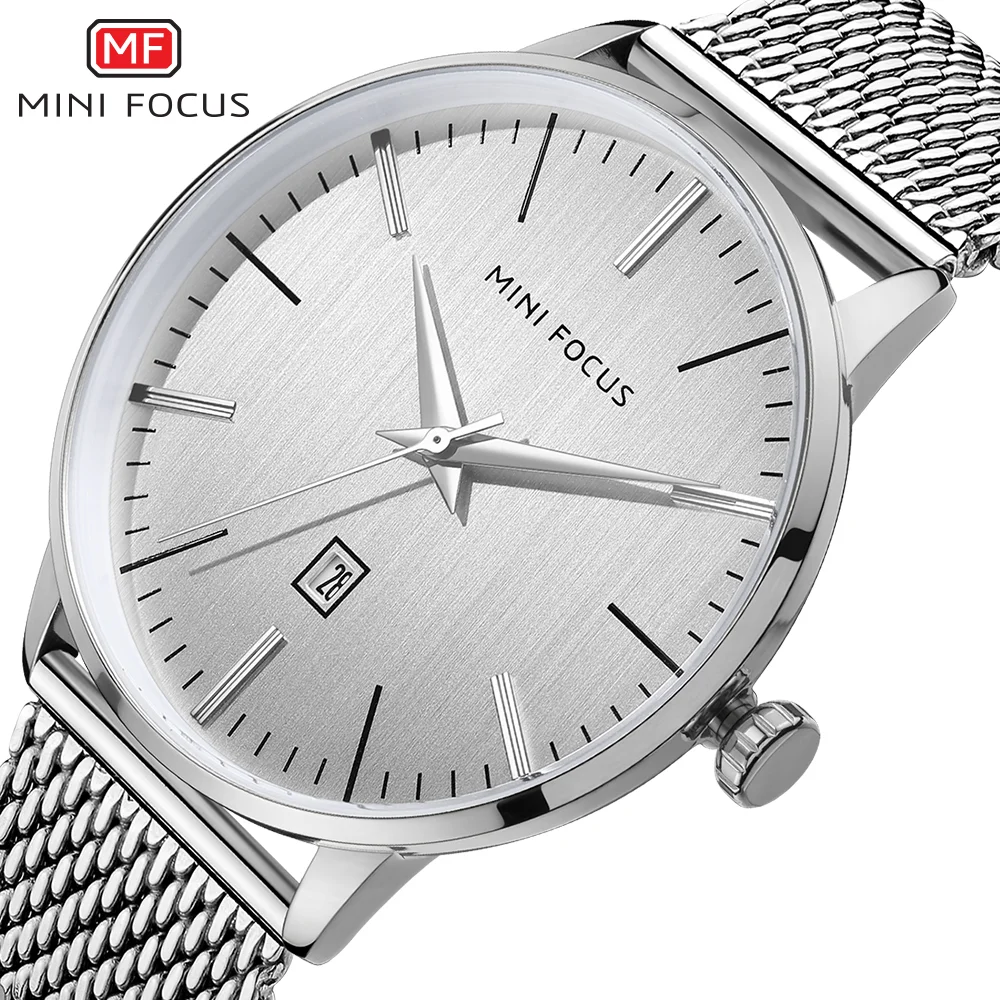
With private label, you take the factory's existing watch designs and sell them under your own brand. Your logo appears on the dial, case back, and packaging; the watch itself is a proven model already in production.
- Best for: new brands, e-commerce sellers testing a market
- Lead time: short - the tooling and design already exist
- Minimum quantities: typically the lowest of the three options
- Control: limited to branding elements and packaging
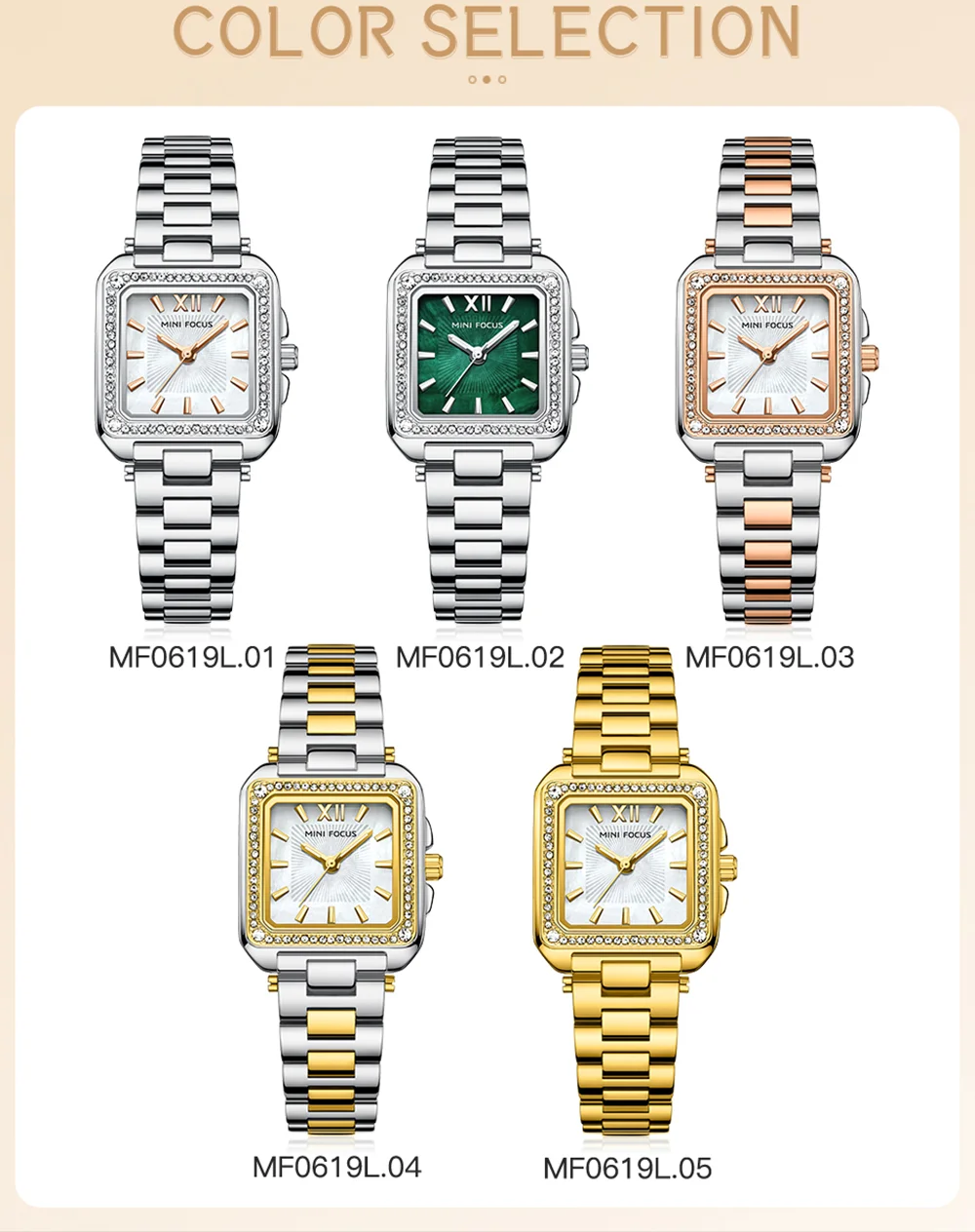
Because the design is already validated, quality risk is low. This is why most buyers start here, for example with proven sellers like this women's stainless steel quartz watch or a classic leather-strap business model.
OEM: Your Design, Factory Production
OEM (Original Equipment Manufacturer) means you provide the design - your own dial artwork, case shape, or full technical specification - and the factory manufactures it. The factory's engineering team turns your design into a producible watch.
- Best for: brands with clear design direction and sales history
- Lead time: longer, includes sampling and approval rounds
- Control: high - you own the product specification
- Considerations: mold and tooling costs may apply for fully custom cases
A common middle path is modifying an existing platform: keep a proven movement and case, change the dial, hands, and strap. This gives OEM-level differentiation without full tooling cost.
ODM: Factory Design, Your Brand
ODM (Original Design Manufacturer) sits between the two: the factory designs and develops the watch, and you select from its design library or co-develop variations, sold under your brand. The factory carries the design workload and engineering risk.
- Best for: buyers who want exclusive-feeling products without an in-house designer
- Lead time: moderate
- Control: medium - you choose and refine rather than originate
Quick Comparison
| Private Label | ODM | OEM | |
|---|---|---|---|
| Design source | Factory catalog | Factory design team | You |
| Time to market | Fastest | Moderate | Slowest |
| Order minimums | Lowest | Medium | Highest |
| Brand exclusivity | Branding only | Design selection | Full specification |
Which One Should You Choose?
- Testing a new market? Private label on proven designs.
- Building a distinctive brand? ODM with design selection, then graduate to OEM.
- Already selling with sales data? OEM your best-performing styles to deepen differentiation.
Mini Focus supports all three models from one factory base - you can start with catalog models and move into customization as your volumes grow. Learn more on our services page or read the wholesale FAQ.
Frequently Asked Questions
Can I mix private label and OEM in one order?
Yes - many buyers fill container space with stock models plus a few customized styles to balance cash flow and differentiation.
Do OEM projects require tooling fees?
Fully custom cases require molds; modifications to existing platforms usually do not. The factory will quote tooling separately before any commitment.
Who owns the OEM design?
Ownership terms are agreed before sampling. Reputable factories will not resell your customized design to other buyers.
Next step: Contact the factory with your branding idea and target market, and get a recommendation on the right model for your stage.