How Many Watches Should You Order First? A Buyer's Guide
29.09.2026
The question every new watch buyer asks is a simple one: how many should I order first? Order too little and you sell out before you learn anything; order too much and your capital sits on a shelf in styles nobody wanted. The answer is not a fixed number - it is a method. This guide explains what MOQ actually means, how to size a first order around your own sales assumptions, and how to structure a starter range that teaches you what to buy next.
What MOQ Really Means
MOQ - minimum order quantity - is frequently misunderstood. In practice it is usually a per-model minimum rather than a total order minimum, and it varies by model and by customization level:
- In-stock models carry the lowest minimums, because the factory already holds the components
- Customized models carry higher minimums, because setup and tooling have to be justified
- Deep OEM work requires the largest commitment, since new moulds are involved
The practical implication: your minimum commitment is a function of how much you customize, not a fixed wall. If a quoted MOQ feels high, ask what the minimum would be for a stock model, or whether it can be met by combining several models in one order. Always confirm the current MOQ per model with the factory rather than assuming.
Start With Your Sell-Through, Not With a Target
Sizing an order starts from a question about your business, not the factory: how many units do you realistically expect to sell per month? Estimate it from your channel and reach:
- Online store - your realistic monthly traffic multiplied by a conservative conversion rate
- Retail - how many customers you actually serve, and how often a watch is one of their purchases
- Wholesale to other sellers - the volume your buyers have committed to or reliably reorder
Then cover a sensible stock window - commonly around two to three months of expected sales for a first order - rather than a year's supply. A short window keeps capital free and lets real sales data replace your guesswork before you commit again.
Spread the Risk Across a Small Range
A first order should be a small, balanced range, not a single bet and not a full catalog. A structure that works for most new buyers:
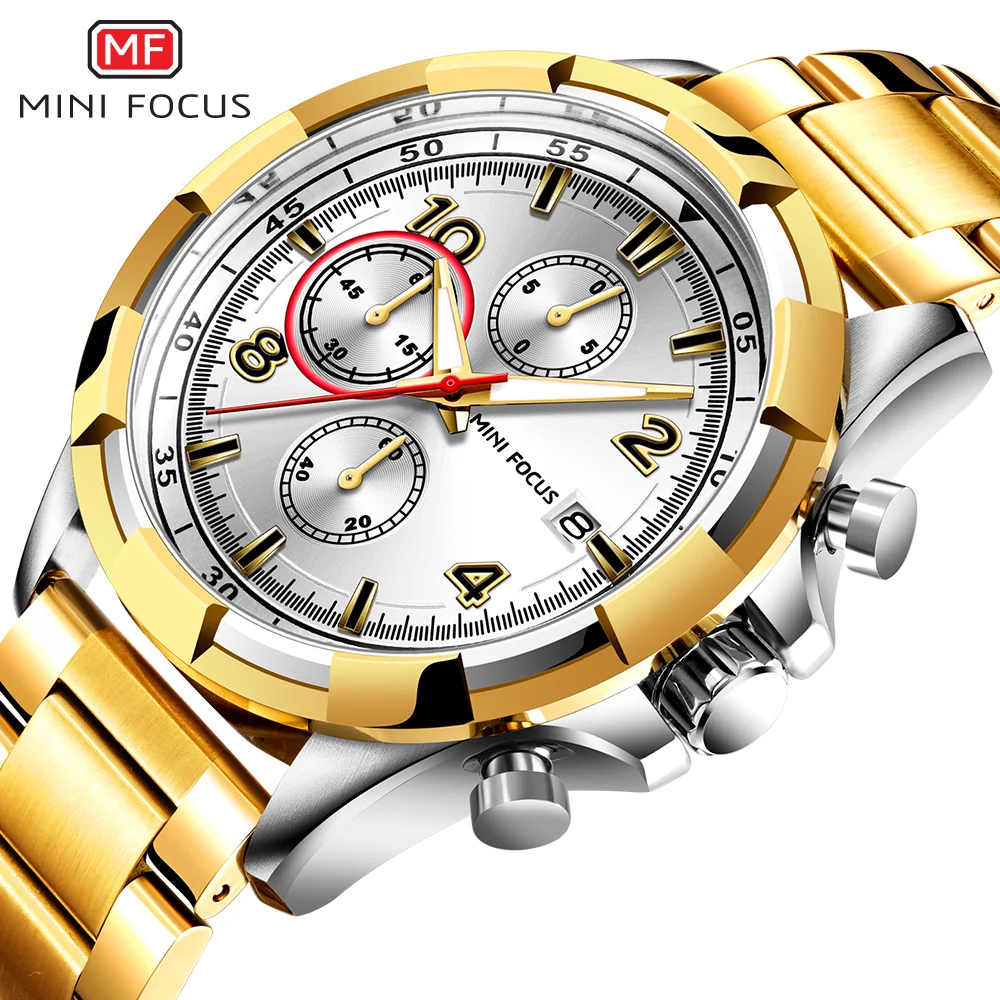
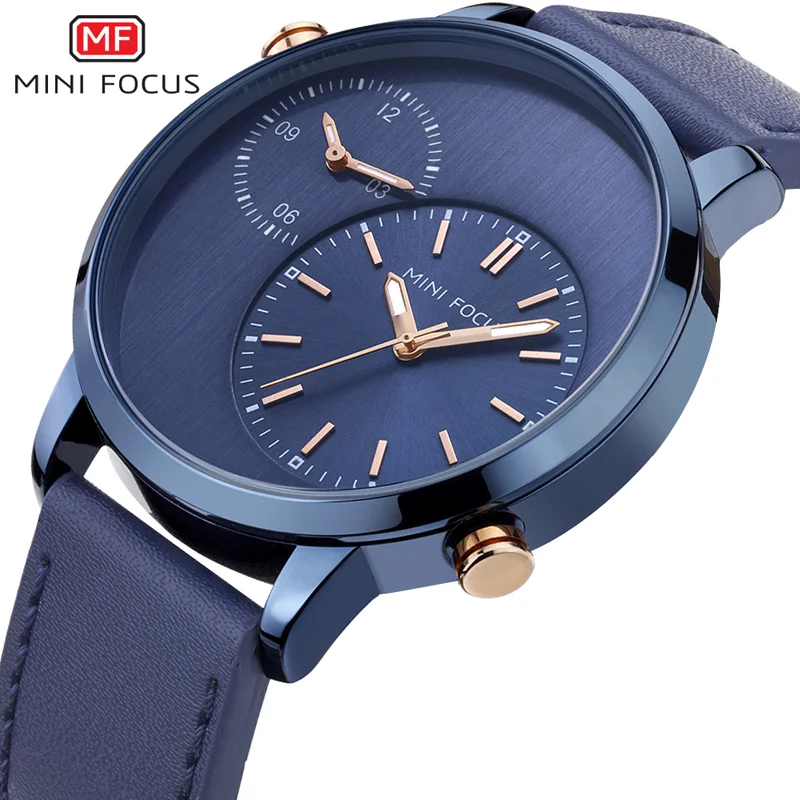
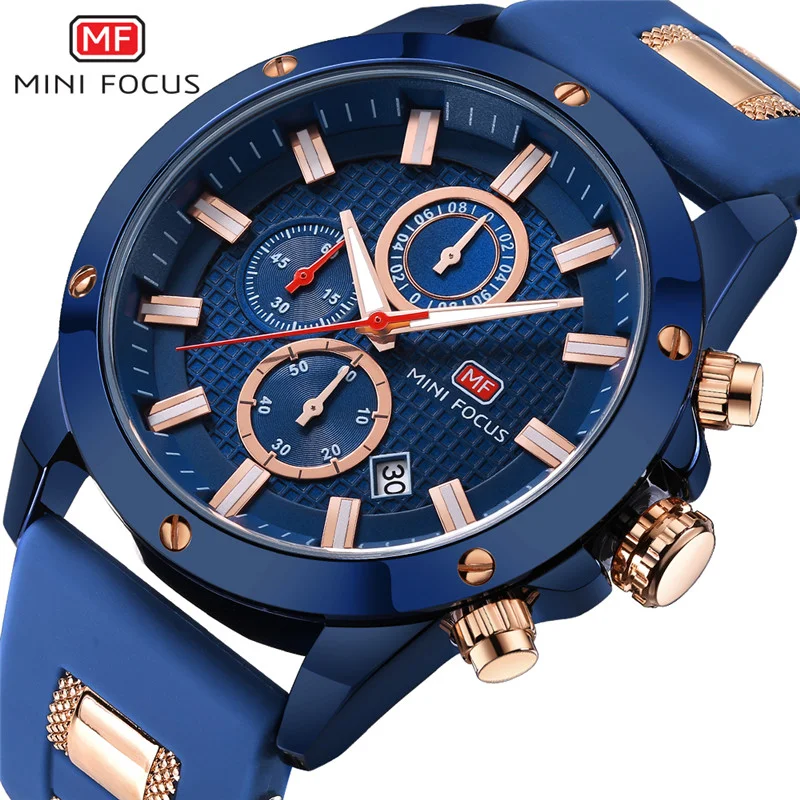
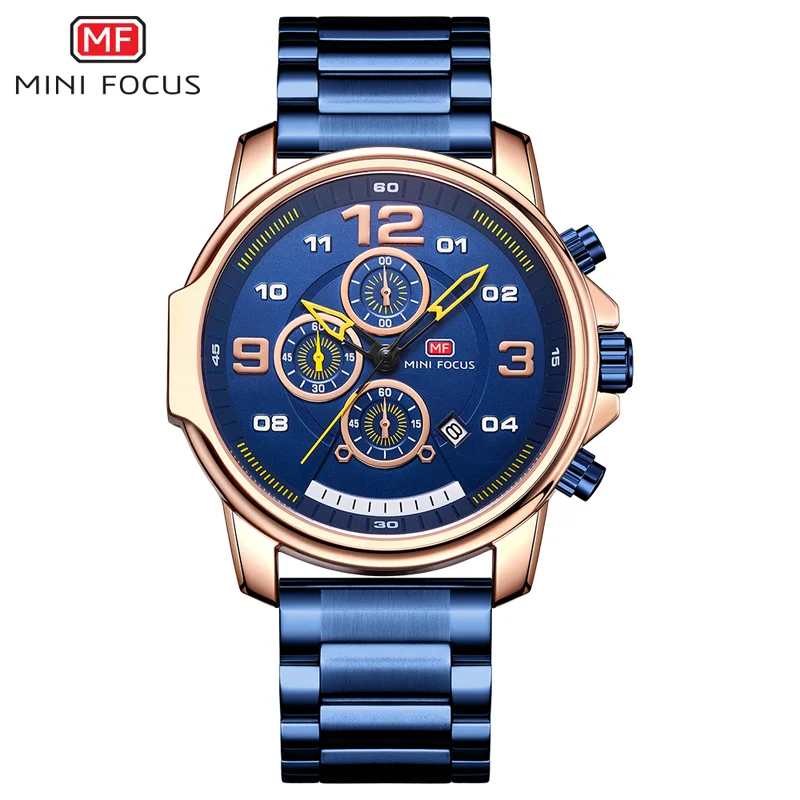
- Core (most of the quantity) - one or two proven, broad-appeal styles. The MF0634G steel-bracelet chronograph and the MF0035G business leather watch are archetypes of models that sell across markets
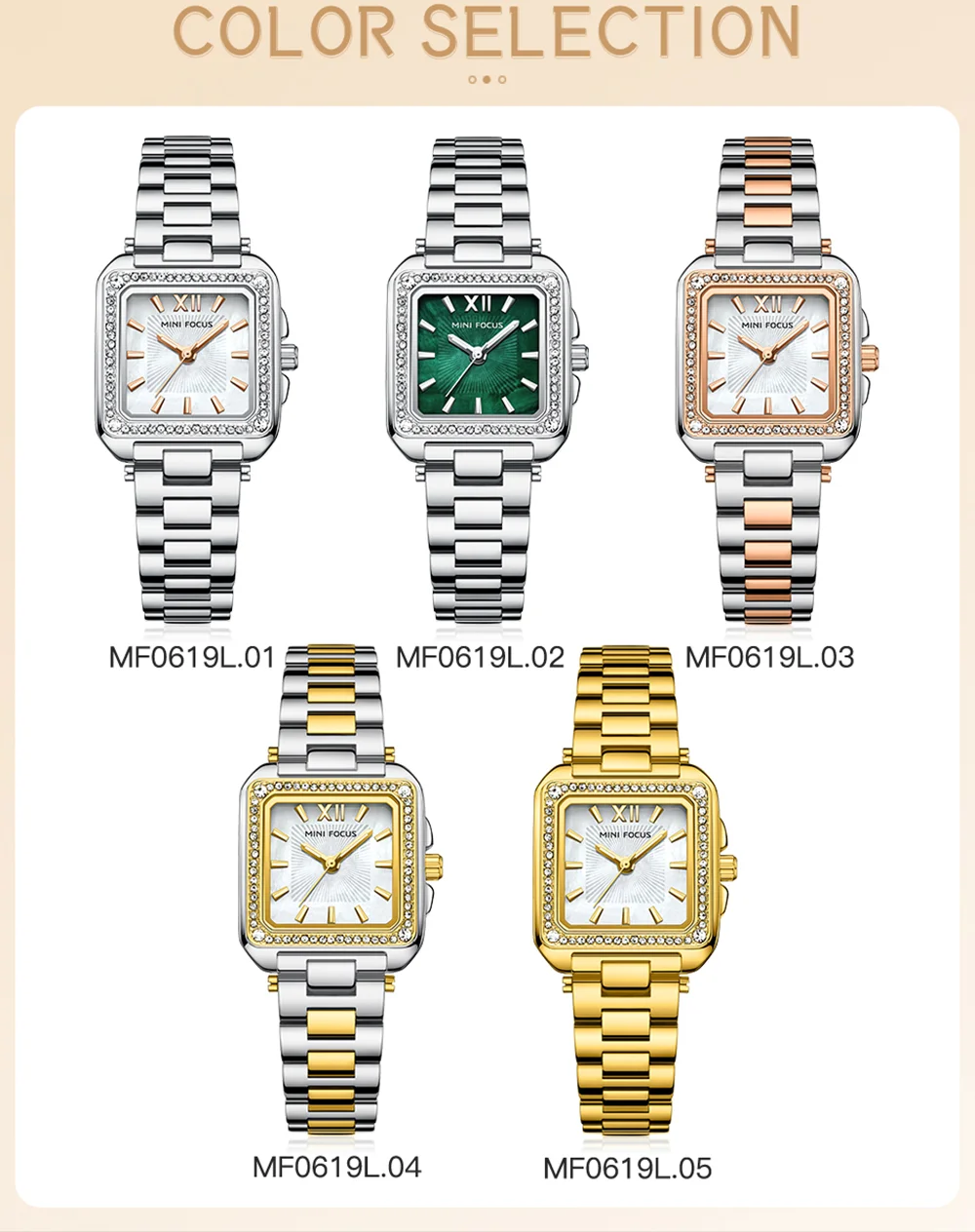
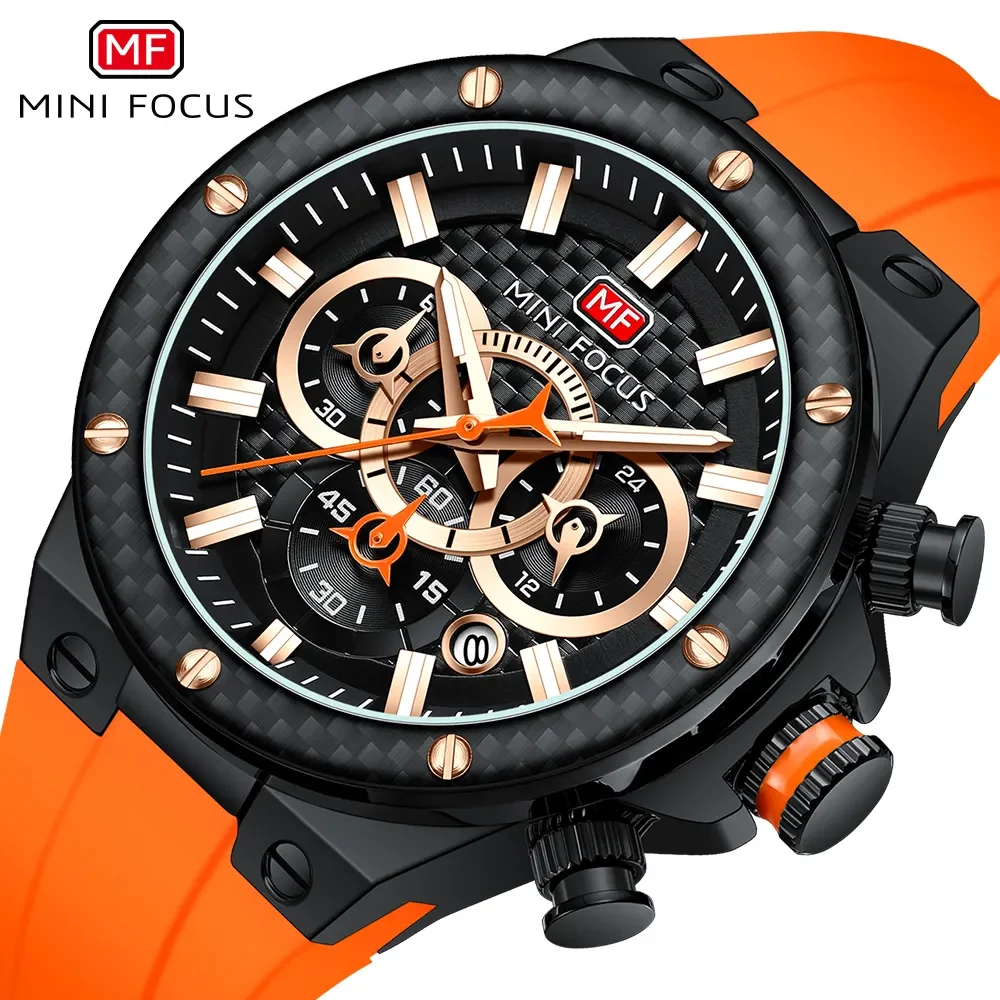
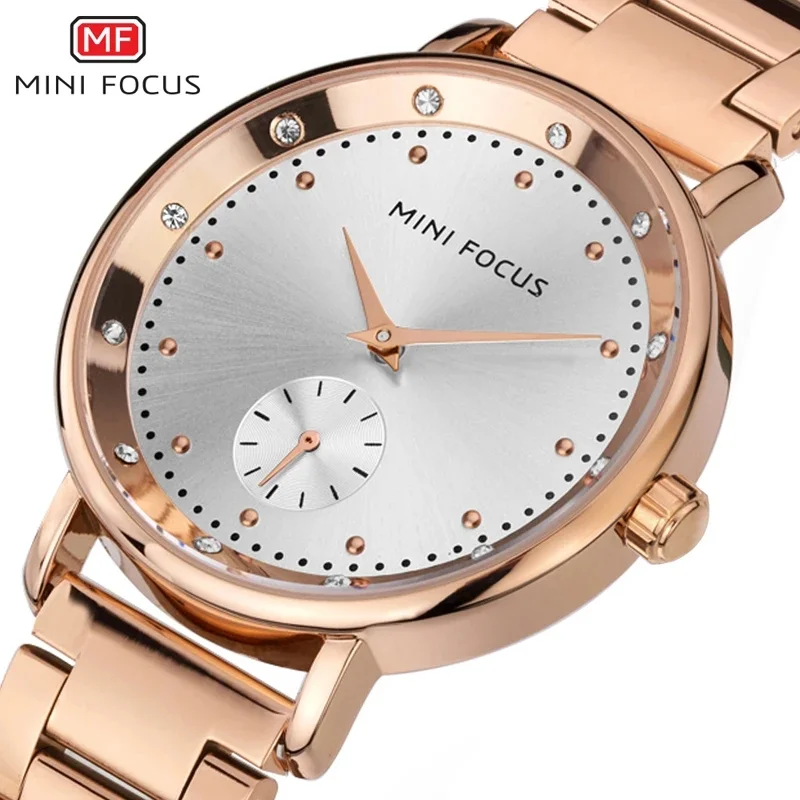
- Contrast (smaller share) - one or two styles in a different segment, e.g. a women's dress model from our women's picks or a sport model from our men's picks
- Test (the smallest share) - one or two styles you believe in but have not proven yet; these teach you where your market actually sits
Concentrating quantity on the core protects you if the tests fail, while the tests tell you where to shift quantity on the next order. This is the same focused-order logic described in our start a watch business guide.
Reduce First-Order Risk
- Order samples first - never bulk-buy a model you have not held (supplier checklist)
- Favour in-stock models - lower minimums, faster delivery, less commitment than custom work
- Combine models in one order - reaching an order threshold across several styles can unlock better pricing than one large single-model order
- Keep the range narrow - each additional model adds minimum quantity and complexity; a tight range is easier to sell and to manage
When and How to Reorder
Your first order is a research project as much as a sale. Watch which styles move fastest, then reorder accordingly:
- Reorder the winners quickly - a style that sells out fast is a signal, not an accident; keep it in stock so you do not lose the momentum
- Increase quantity on proven models - as sell-through data replaces assumptions, you can commit with more confidence
- Drop or relegate the slow movers - keep the range honest; slow stock ties up capital you could put into winners
- Add new styles gradually - expand the range only as your data supports it, using the widened case size range to cover more customers
Frequently Asked Questions
What is the minimum order for watches?
It varies by model and customization level - in-stock models have the lowest minimums, custom and OEM work the highest. Confirm the current minimum per model with the factory, and ask whether combining models can reach it.
Should my first order be all one style?
No. A single style is a single bet. A small balanced range - a proven core plus one or two tests - teaches you more and spreads your risk.
How often should I reorder?
Let sell-through set the rhythm: reorder proven styles before they run out, and use each order to shift quantity toward what is actually selling. Contact Mini Focus to plan a reorder schedule for your market.
Planning your first order? Contact Mini Focus with your target market and channel, and get a starter range recommendation with current MOQ, or browse the factory catalog first.