Quartz vs Automatic Watches: What Should You Stock?
27.09.2026
Every new watch seller eventually faces the assortment question: quartz, automatic, or both? The answer depends on your customers, your price points, and how much after-sales simplicity you want. This guide compares the two movement families from a wholesale perspective and shows a practical way to mix them - using real examples from the Mini Focus and CHANCE ranges.
Quartz: The Volume Engine
Quartz movements are battery-powered, accurate to seconds per month, and inexpensive to produce. For a wholesale business, quartz is where volume lives:
- Accuracy: a good quartz movement deviates only seconds per month - no winding, no adjustment
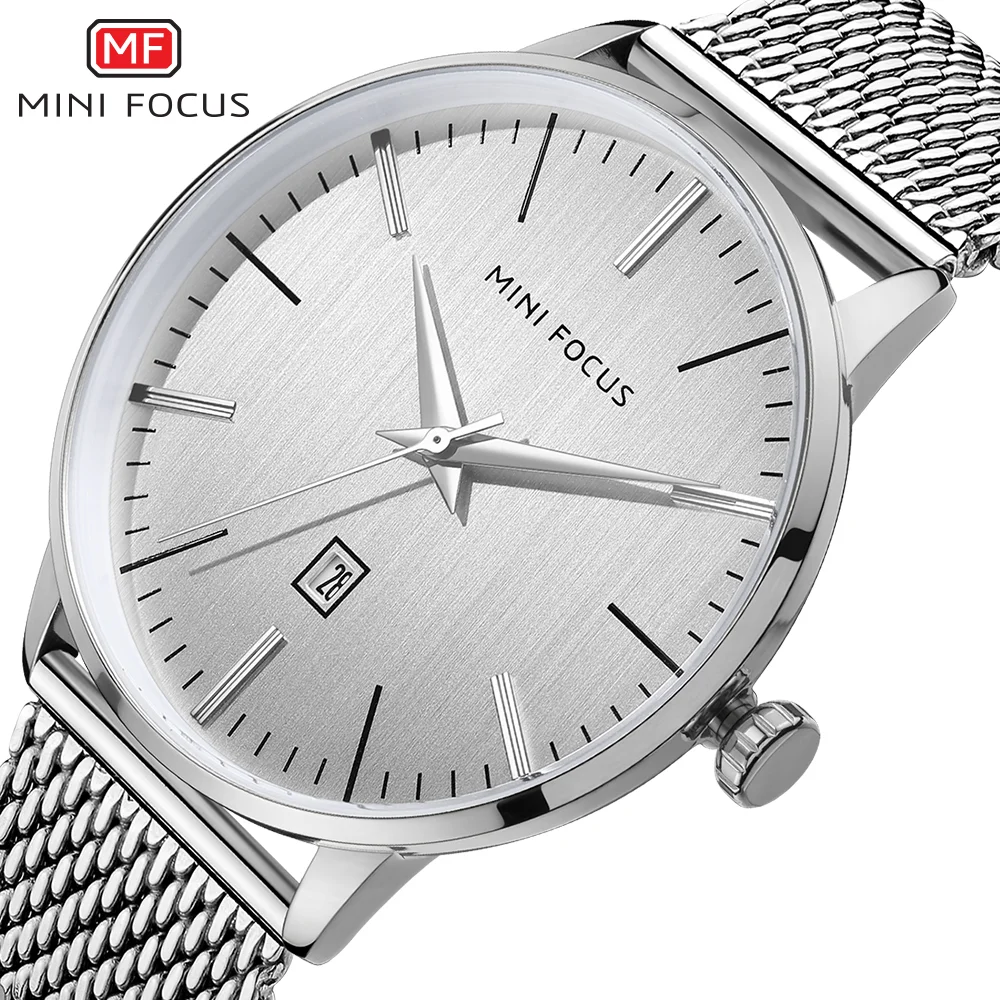
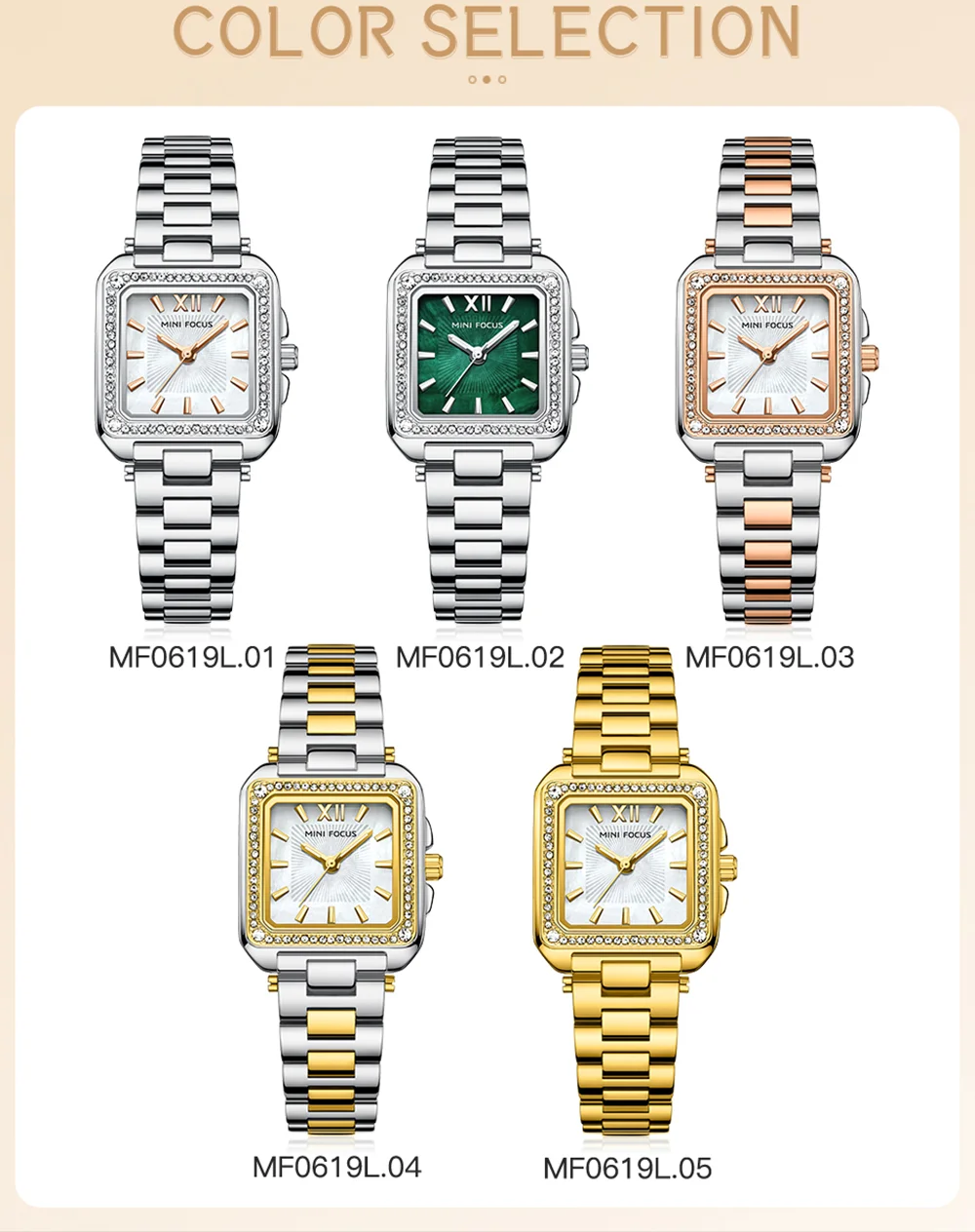
- Thin cases: quartz architecture allows slim dress watches like the 8mm-class women's models in the Mini Focus catalog
- Price accessibility: entry prices stay low, which widens your customer base
- Low service burden: a battery change every 2-3 years is the only routine maintenance
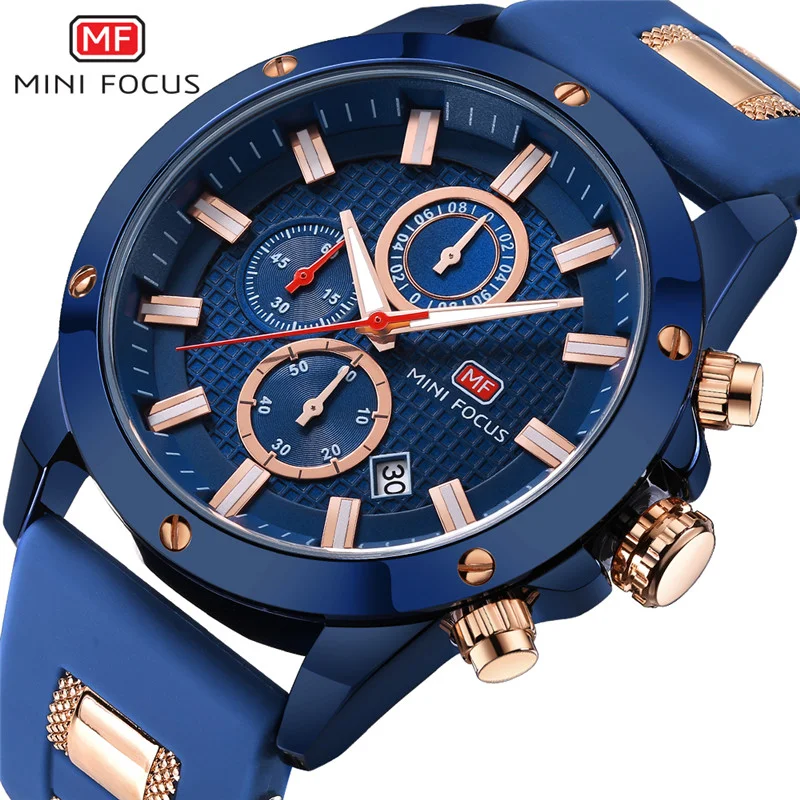
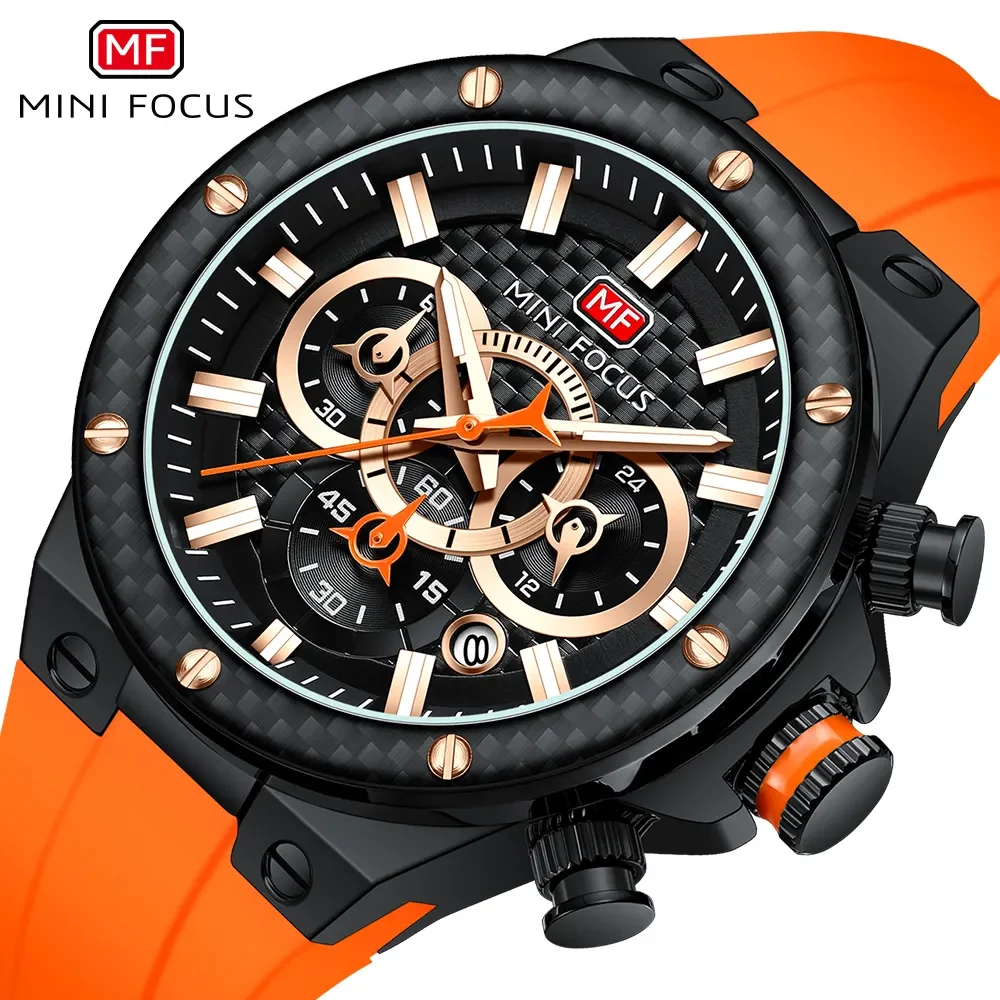
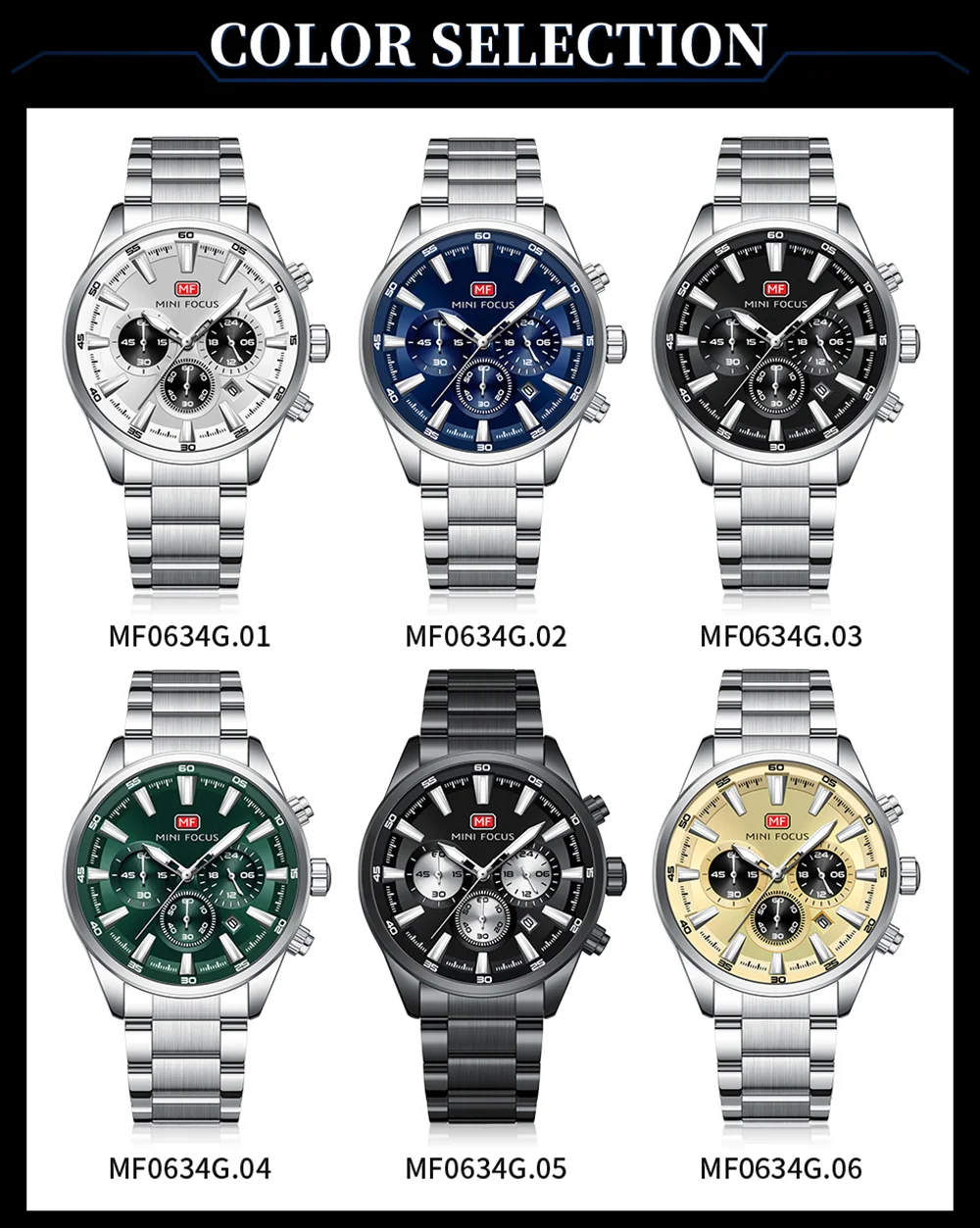
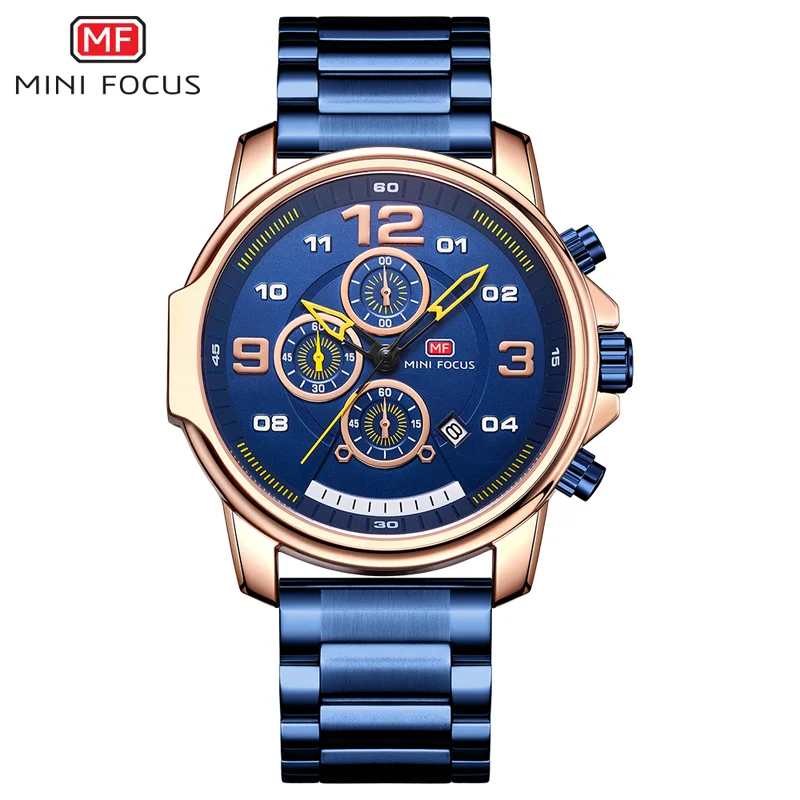
Practically the entire Mini Focus quartz line - from the 43mm MF0612G business chronograph to the 28mm MF0619L dress model - runs on quartz movements, many of them Japanese movements. This is the segment where stock turns fastest in most markets.
Automatic: The Margin and Story Segment
Automatic (self-winding mechanical) movements convert wrist motion into power. They run without batteries, carry visible craftsmanship value, and support much higher retail prices - which is where their margin appeal comes from:
- Perceived value: skeleton dials and exposed mechanics create premium storytelling - the CHANCE 919014 carbon fiber tourbillon-style watch is a clear example of design-led mechanical value
- No battery: customers who wear the watch daily never touch a battery
- Collector appeal: mechanical buyers are enthusiasts; they research, compare, and pay for substance
- Trade-offs: accuracy of minutes per month (normal for mechanical), periodic service, and sensitivity to drops and magnetism
The CHANCE mechanical line - from the carbon fiber automatic 90907 to dragon-themed tourbillon designs - serves exactly this segment. Automatics also suit larger cases naturally: the MF0618G at 45.1mm is an automatic sports model where the movement justifies the size.
Side by Side
| Quartz | Automatic | |
|---|---|---|
| Accuracy | Seconds/month | Minutes/month |
| Unit cost | Lower | Higher |
| Retail positioning | Volume segments | Premium segments |
| After-sales | Battery only | Periodic service |
| Best seller type | Fashion, business, gift | Enthusiast, statement, gifting |
A Practical Mix for Wholesale Sellers
The proven structure for a growing catalog: keep 80-90% of SKUs quartz for volume and turn, and add a small automatic line for margin, differentiation, and gifting occasions. This mirrors how the market actually consumes watches - and it matches the focused-order strategy in our wholesale starter guide. If you target markets with strong mechanical watch culture, shift the ratio toward automatics; if you sell online to mainstream buyers, quartz will carry most of your volume.
Frequently Asked Questions
Do automatic watches need winding?
They wind themselves from wrist movement. If left unworn for a day or two, they stop and need a gentle manual wind or a few shakes to restart - normal behavior, worth explaining to customers.
Why are automatic watches more expensive?
Mechanical movements contain over a hundred precision parts assembled and regulated by hand. The labor and reject-rate cost is real - and it is also the story that justifies the retail price.
Can I get my brand on both quartz and automatic models?
Yes. Mini Focus offers private label and OEM across both movement families - see our OEM/ODM guide or contact the factory to discuss your mix.