Water Resistance in Watches: What 3ATM Really Means
27.09.2026
Water resistance is the most misunderstood specification in the watch business - and the most common source of customer complaints when it is explained badly. If you sell watches wholesale, understanding the ratings system protects you in two ways: you describe products honestly, and you teach your downstream customers what the watch can and cannot do. Here is what the numbers mean and how to use them commercially.
How the Ratings System Works
Watch water resistance is tested in controlled laboratory conditions - static pressure, fresh water, new seals. That is why the rating number does not translate directly to real-world activities. A 3ATM watch withstands pressure equivalent to 30 meters of static depth, but it is not suitable for swimming, because moving water and arm strokes create far higher dynamic pressure than the rating describes.
| Rating | Safe for | Not safe for |
|---|---|---|
| 3ATM / 30M | Splashes, rain, hand washing | Showering, swimming, diving |
| 5ATM / 50M | Showering briefly, surface swimming | Diving, high-pressure water sports |
| 10ATM / 100M | Swimming, snorkeling | Scuba diving |
What Most Fashion Quartz Watches Carry: 3ATM
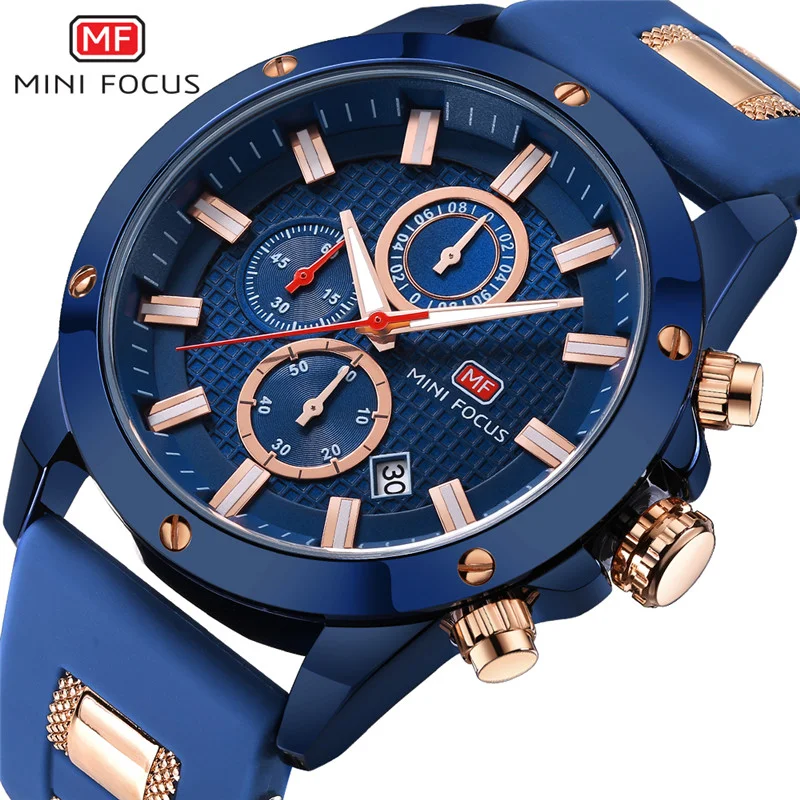
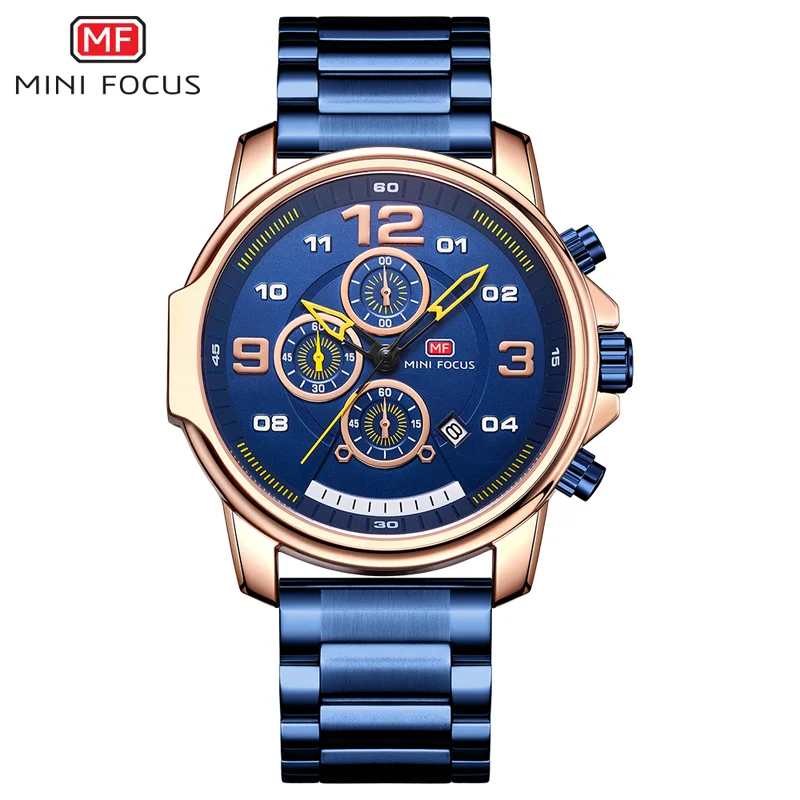
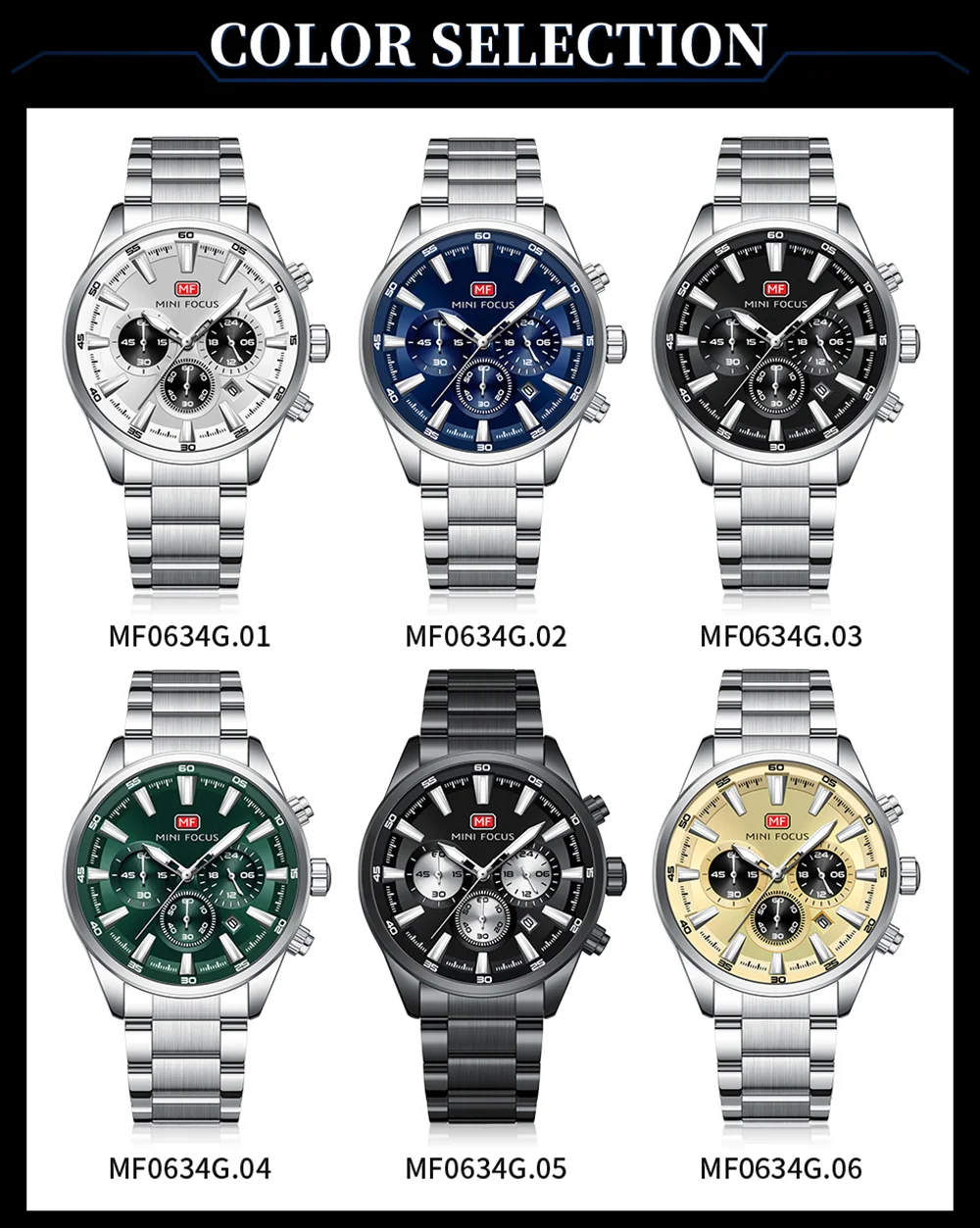
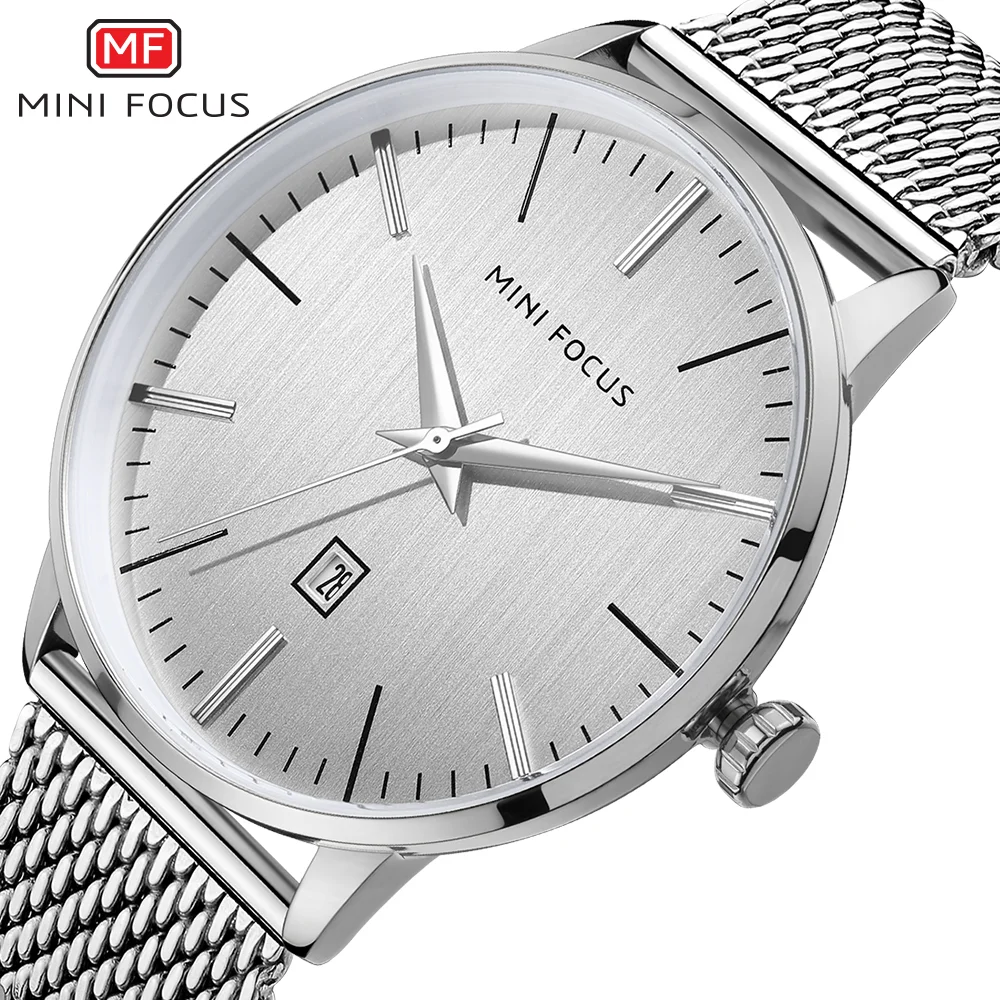
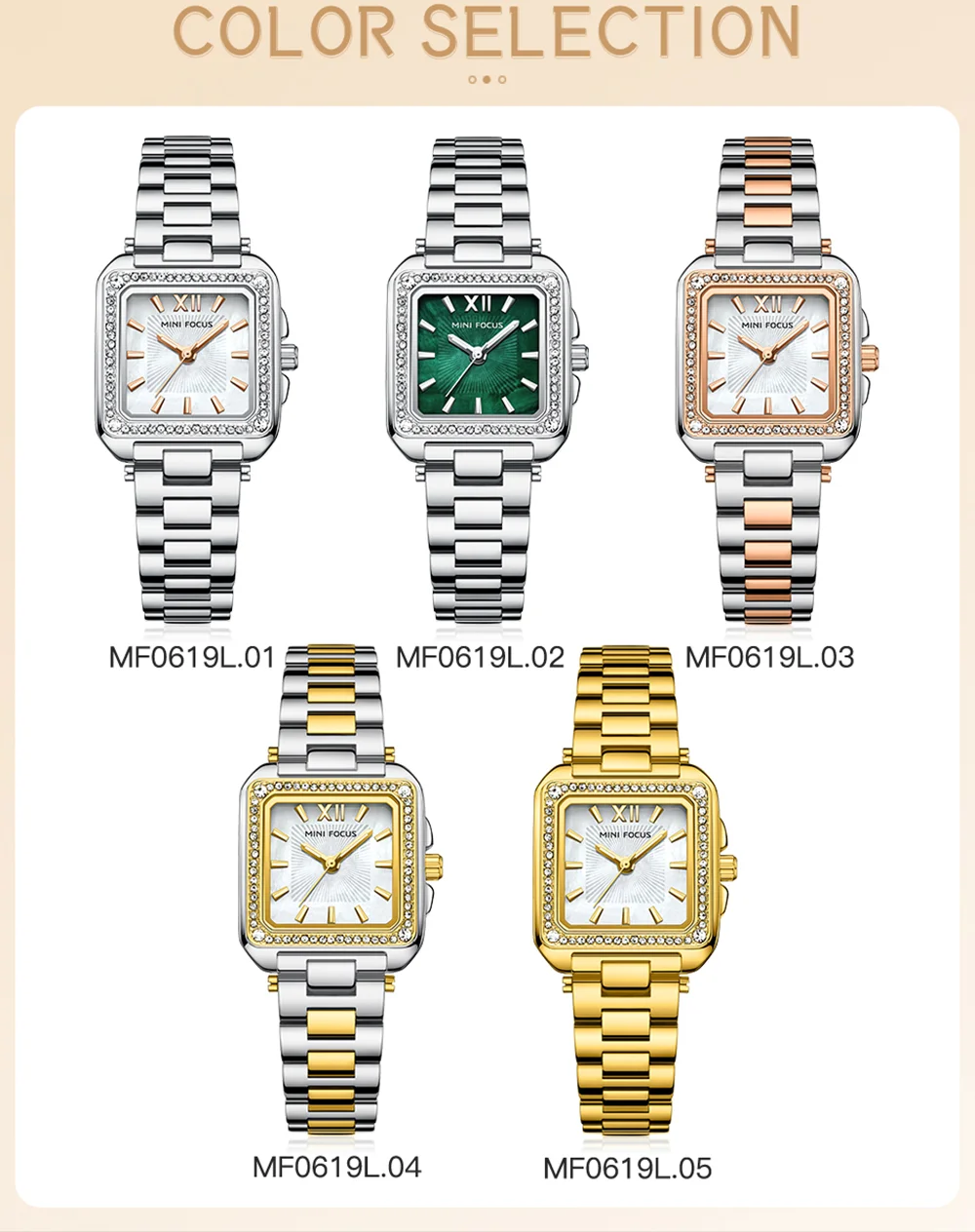
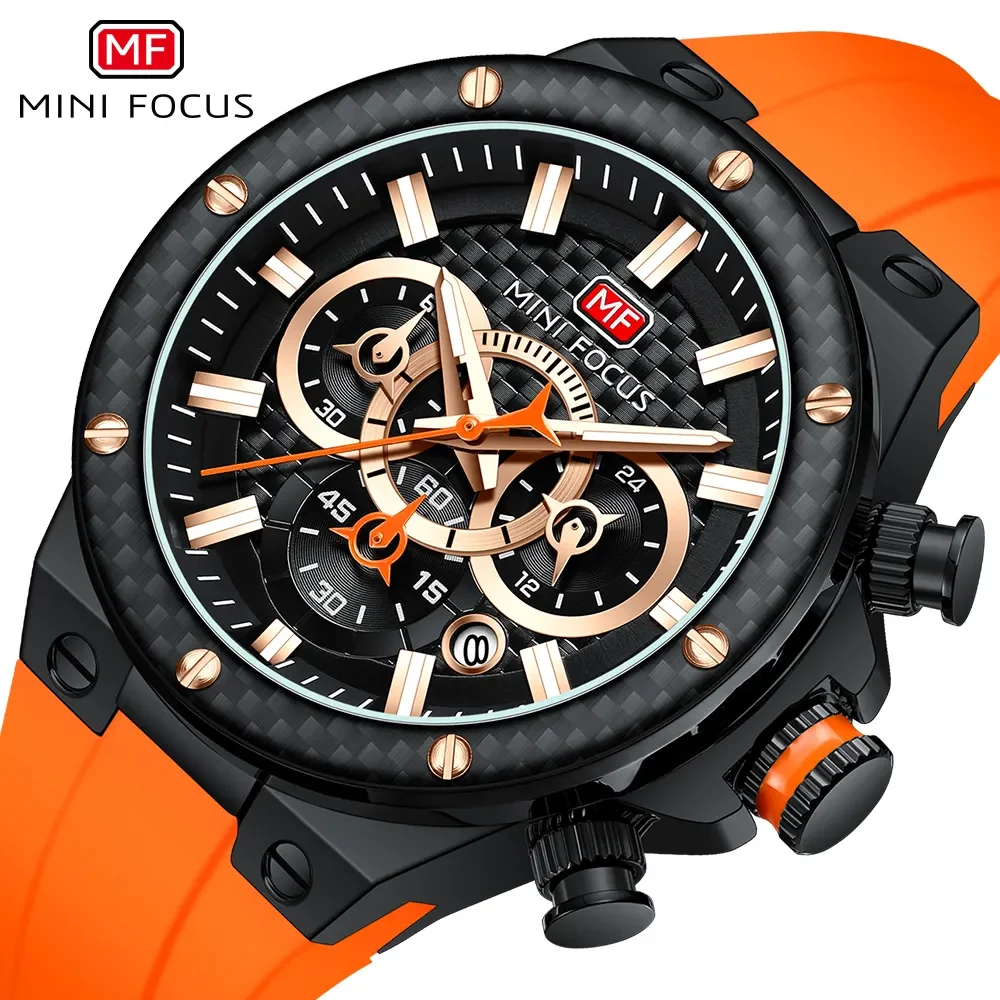
The majority of fashion and business quartz watches - including most of the Mini Focus range - carry a 3ATM rating. This covers daily life: rain, hand washing, accidental splashes. Models like the MF0622G 40mm steel quartz or the digital-style MF0066G sports watch are specified at 3ATM, which is the honest, industry-standard level for this product category. Presenting 3ATM correctly is a sales skill: "splash-proof daily wear" sets accurate expectations and eliminates the returns caused by customers assuming "30 meters" means swimming depth.
Higher Ratings: Where They Appear
Higher ratings appear on watches built for it: screwed or reinforced case backs, gasket-sealed crowns, and sport-oriented construction. In the current lineup, the CHANCE 919005 mechanical sports watch is rated 50M waterproof - a genuine surface-swimming rating that matches its hollow-dial sport design. When a supplier claims a rating, ask how it is tested: per-batch pressure testing should be standard on any watch sold with a water resistance claim.
How to Talk About Ratings in Your Store
- Print the rating and its meaning together: "3ATM - splash-proof, not for swimming" leaves no room for misunderstanding
- Train your team: the 30-second explanation of ATM versus meters prevents most water-related complaints
- Match the rating to the buyer: a customer who swims needs a 10ATM or 50M+ rated model - selling them a 3ATM dress watch creates a return
- Note battery service: after a battery change, water resistance should be re-checked - seals age
Why Honest Ratings Are a Wholesale Advantage
Return rates decide whether a watch SKU is profitable. Sellers who describe water resistance accurately consistently report fewer disputes and better reviews - the same transparency principle described in our supplier verification checklist. When you evaluate suppliers, treat clear, consistent, per-model water resistance data as a quality signal: factories that test and publish honest ratings usually run disciplined QC across the board.
Frequently Asked Questions
Can I shower with a 3ATM watch?
No. Hot water, steam, and water pressure from a shower head exceed what a 3ATM seal is designed for. Keep 3ATM watches out of the shower, pool, and sea.
Is 50M waterproof enough for swimming?
50M is generally considered suitable for surface swimming. For repeated, frequent swimming or diving, look for 10ATM/100M or professionally dive-rated watches.
Does water resistance last forever?
No. Seals age and can be compromised by knocks or battery changes. Adv customers to have resistance re-checked when the watch is opened for service.
Need rated models for your market? Browse the wholesale catalog where every product page states its exact rating, or contact the factory for recommendations.