How to Source Watches from China: A Wholesale Buyer's Guide
29.09.2026
China is the world's largest watch manufacturing base, and for most wholesale buyers it is the only place where a full range of quartz and mechanical watches can be sourced at factory-direct terms. But "buying from China" is not a single action - it is a short chain of decisions, and mistakes early in the chain are the most expensive. This guide walks through the sourcing process in the order you will actually follow it, from writing your product brief to receiving inspected goods.
Step 1: Write a Clear Product Brief
Before you contact anyone, define what you are buying. A vague enquiry ("I want to buy watches") gets vague answers and generic quotes. A useful brief covers:
- Target market and price band - who your customer is and where the watch will sit on the shelf
- Style direction - dress, business, chronograph or sport; men's or women's; case size band (see our case size guide)
- Movement preference - quartz for volume, mechanical for premium positioning (quartz vs automatic)
- Materials - case material, strap type (strap material guide), crystal and plating
- Customization intent - plain stock model, or your own logo and packaging (OEM vs ODM vs private label)
- Order size and target delivery window
A tight brief filters the supplier list immediately: factories that cannot do your movement or your quantity will simply say so, saving weeks.
Step 2: Find and Shortlist Factories
There are four practical channels, and the strongest buyers use at least two at once:
- B2B marketplaces - fast to browse and compare, useful for initial price discovery, but supplier quality varies and listings are often trading-company resale
- Trade shows - Canton Fair and Hong Kong watch fairs let you handle samples in person and meet the actual factory
- Factory websites - manufacturers that publish detailed, specific product pages are usually the ones with real production capability and engineering support
- Referrals - other importers in your market, or an existing supplier's recommendation
Shortlist five to eight candidates, not one. You need alternatives before negotiation, and comparing quotes reveals who is quoting real costs versus padding.
Step 3: Verify Before You Commit
This is where most first-time mistakes happen. Never place a bulk order with a supplier you have not vetted. Verify the business licence, check how long the company has operated, ask for current customer references, and confirm whether you are dealing with a factory or a trading company - the answer changes your price structure and your ability to customize. We cover the full process in our supplier verification checklist.
Step 4: Samples Are Non-Negotiable
Order physical samples before committing, and evaluate them systematically:
- Timekeeping - set the watch and check accuracy over several days, not minutes
- Finishing - look at dial alignment, index straightness, plating consistency and any dust under the crystal
- Function - test the crown, pushers, clasp, and any date or chronograph function
- Water resistance - ask how it is tested. A supplier that can explain the process is a supplier with real QC
- Weight and feel - a solid steel bracelet and a hollow one feel different; weight is a quality signal customers notice
Order samples from more than one shortlisted factory. The comparison is the cheapest due diligence you will ever do.
Step 5: Understand the Trade Terms
Quotes are meaningless without the trade term attached. The common ones are EXW (you collect from the factory), FOB (the factory delivers to the port, you pay freight and insurance) and CIF (the factory arranges freight and insurance to your port). Ask for a quote at a stated Incoterm, and ask separately for freight so you can see what you are paying for. Payment is normally a deposit with the balance before shipment, or against shipping documents for established relationships - never 100% up front with an unverified supplier.
Step 6: Quality Control Before Shipping
The goods are yours once they leave the factory, so inspection happens in China, before shipment - not when the container opens. Options, from lightest to strongest:
- Pre-shipment inspection - an inspector checks finished goods against your specification using a sampling standard
- During-production inspection - catches problems while there is still time to correct them
- Third-party inspection - an independent agency reports to you, not to the factory
Agree the inspection standard and the accept/reject thresholds in writing before production. For any order large enough to matter, the inspection fee is small insurance.
Step 7: Shipping and Delivery
Choose the shipping method by weighing cost against urgency: sea freight for large, non-urgent orders; air freight for samples and replenishment; express courier for urgent small shipments. Packaging quality decides whether your watches arrive saleable - see our packaging and shipping guide for the details that prevent damage claims.
Why Factory-Direct Sourcing Wins
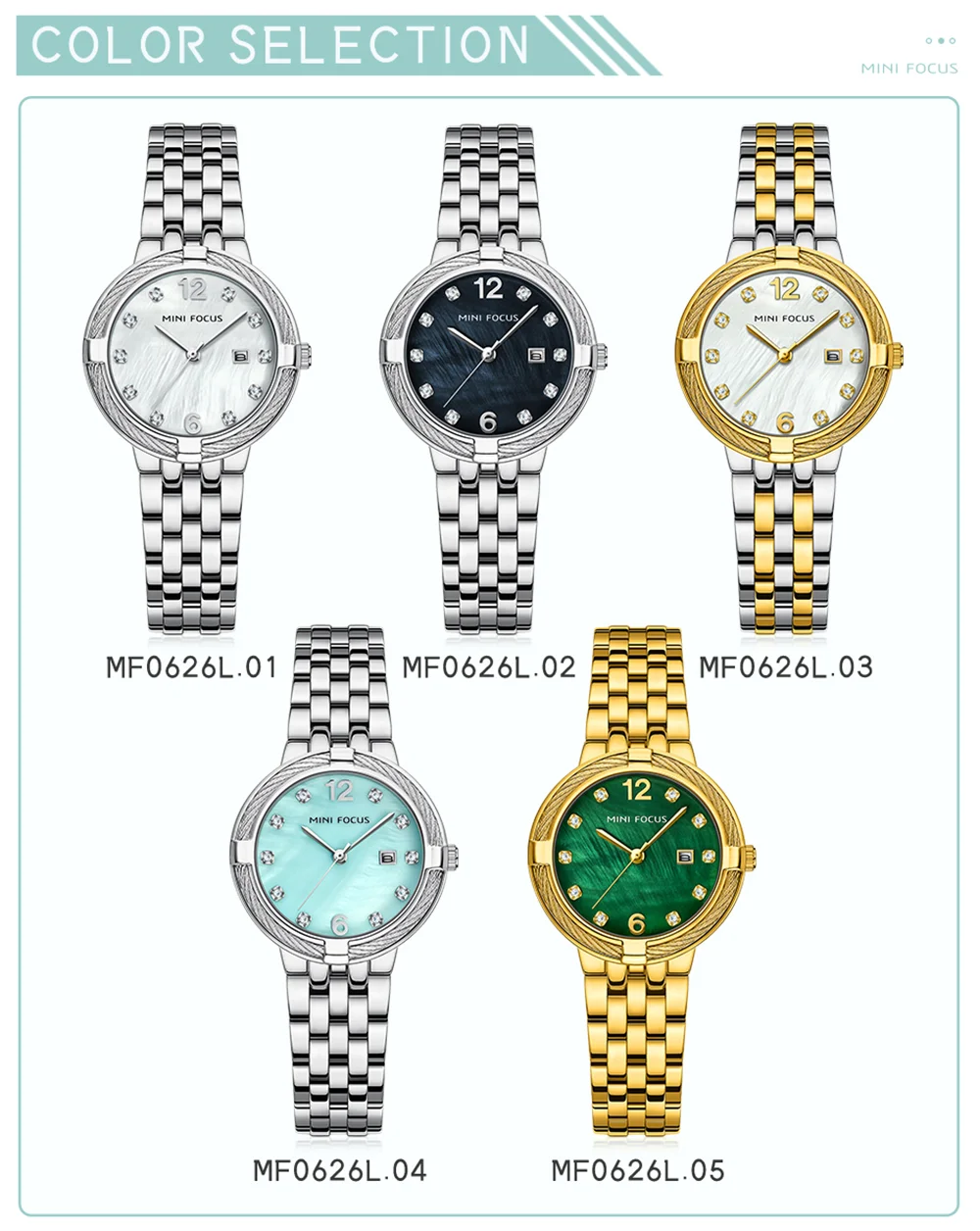
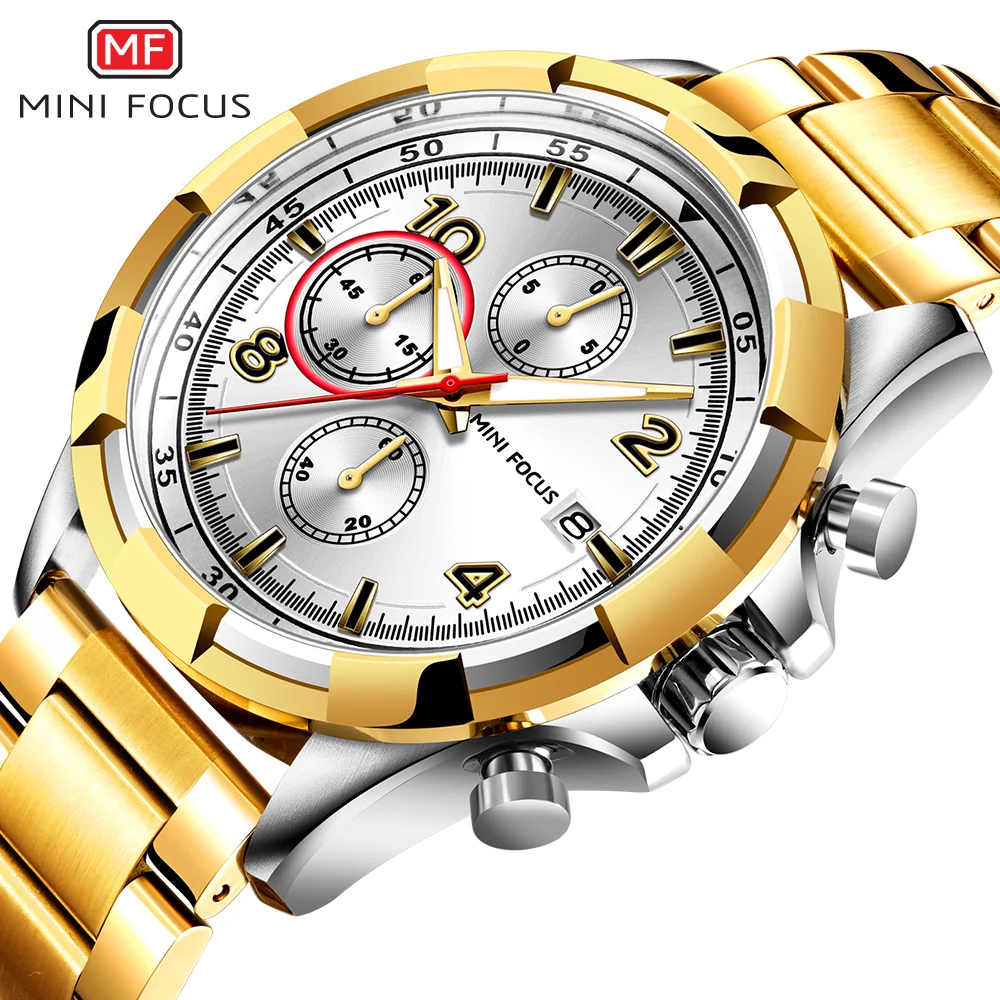
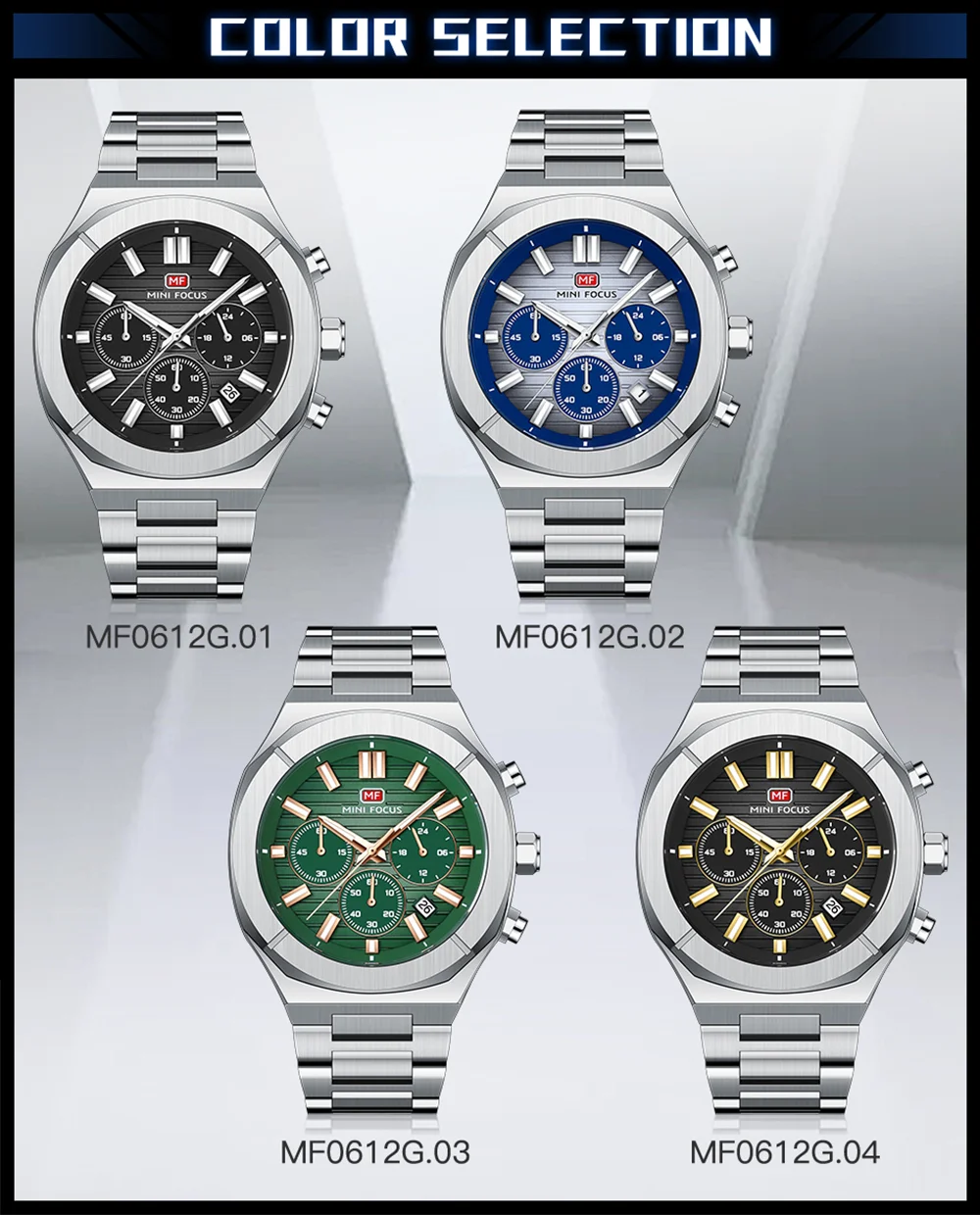
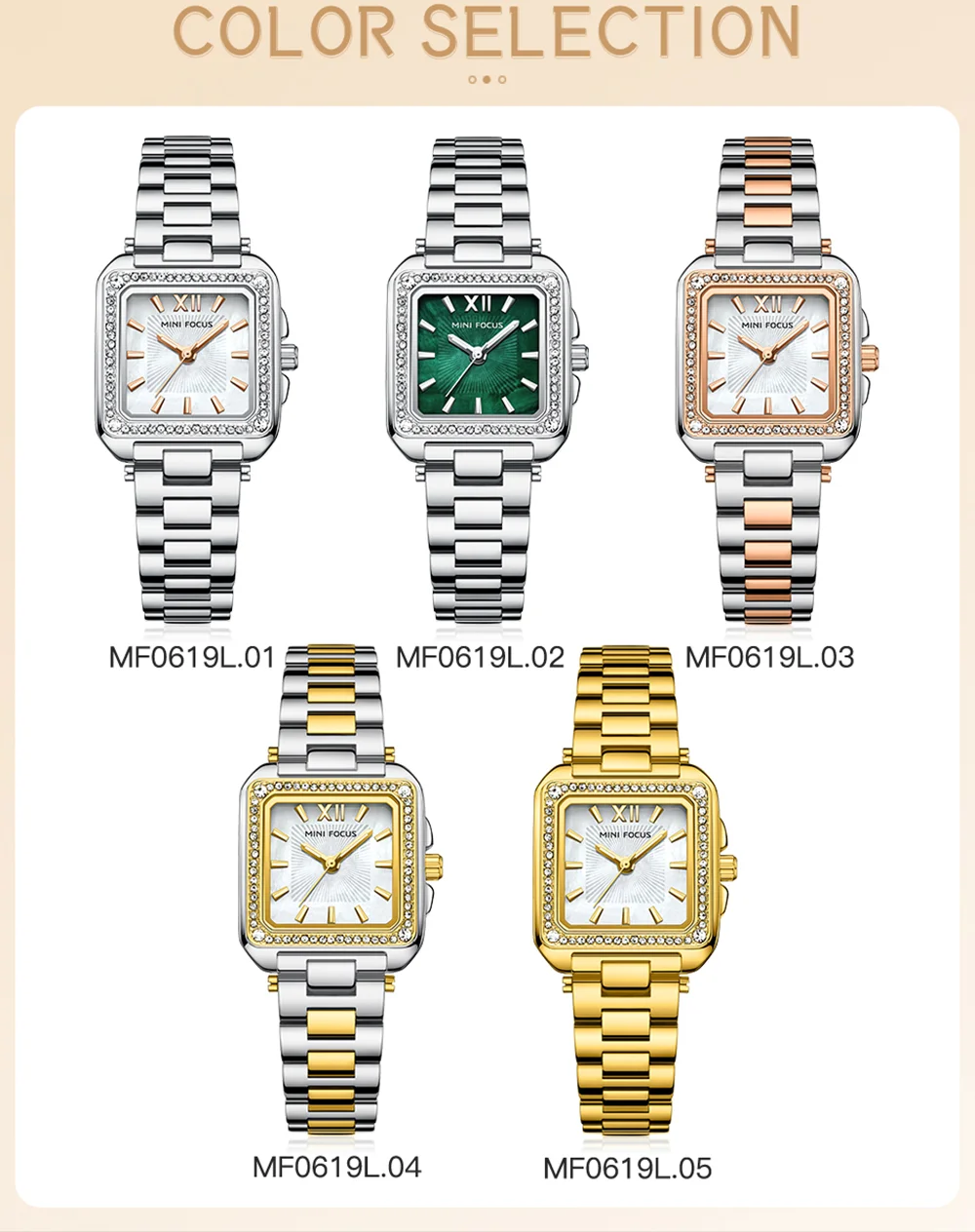
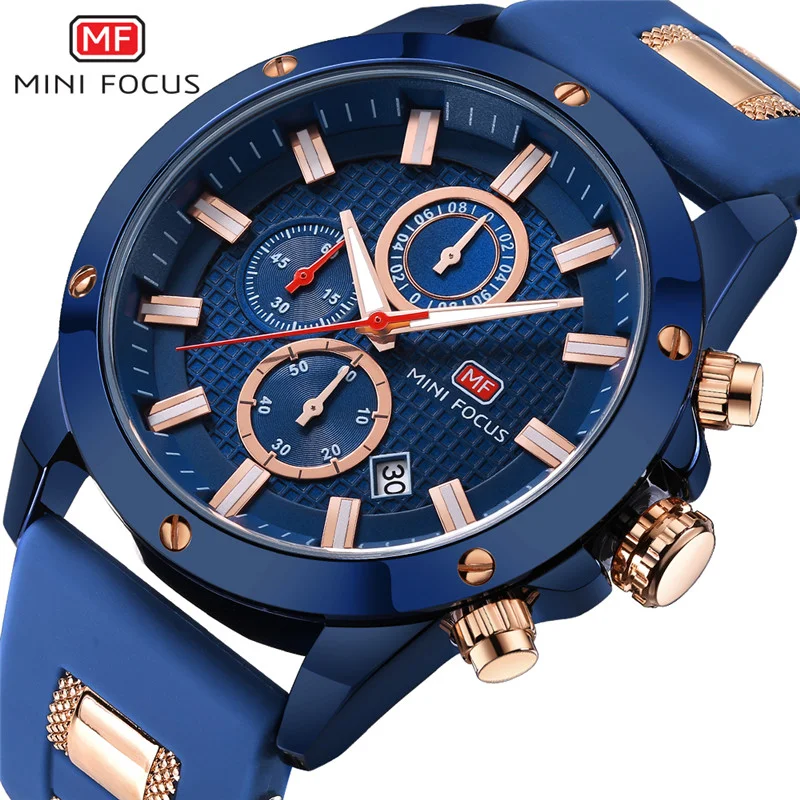
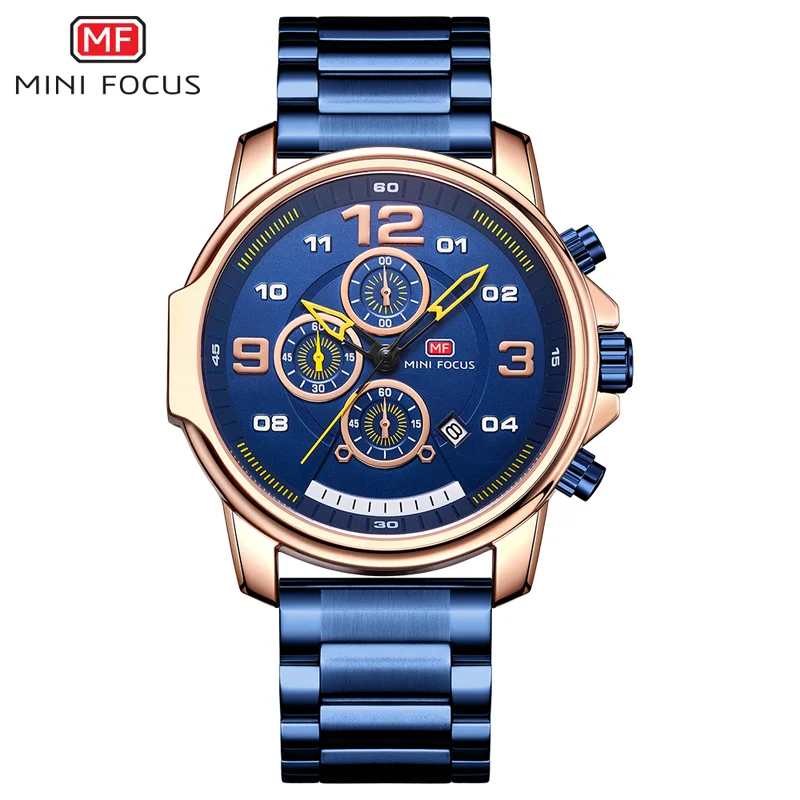
Buying direct from the manufacturer removes the trading-company margin, gives you control over customization, and lets you talk to the people who actually build the watch. Mini Focus is a factory-direct quartz watch manufacturer with an in-stock catalog (such as the MF0035G business watch or the MF0634G steel chronograph), low MOQ for stock models, and OEM/ODM support for private label buyers - see how to start a watch business for how to structure your first order.
Frequently Asked Questions
How long does sourcing from China take?
Allow time for sampling, production and shipping as separate stages. Sampling and production schedules vary by model and customization level, and sea freight adds weeks on top - so start well ahead of your selling season. Ask the factory for a schedule in writing and build your launch date around it.
Should I buy from a factory or a trading company?
Factories usually give better pricing and more control over customization; trading companies can be easier for small mixed orders across many categories. For a focused watch range, factory-direct is the stronger route.
Do I need to visit the factory?
Not always, but a visit - or a professional third-party audit - is the most reliable way to confirm capability. Where a visit is impractical, references, samples and a pre-shipment inspection together cover most of the risk.
Ready to start sourcing? Browse the factory catalog or contact Mini Focus with your product brief and target market for a model recommendation and quotation.